Translate

Showing posts with label 1chronicles. Show all posts

Sunday, 26 October 2025

高處不勝寒 Altitude Instills Chill

常年期第三十主日,丙年
主題:高處不勝寒 Altitude Instills Chill

「中秋節」帶給國人很多感受,所以古代的詩人墨客,寫下豐富的詩詞,成為中華文化遺產的一部份。這些詩詞不但寫景,亦借題發揮寫情。當中除了掛念親友之外,亦有抒發心中鬰悶,懷才不遇的感慨。這些中秋詩詞之中,最為人所樂道的,莫過於北宋蘇軾寫的「但願人長久,千里共嬋娟」了。當時,蘇軾因為反對王安石的變法而被宋神宗貶往黃州。悉逢中秋節,他想念起分隔了五年的弟弟蘇轍,並且自己在宦途上的失意,便寫了這首經典,在坊間傳頌一時。傳說宋神宗聽到其中一句:「我欲乘風歸去,又恐瓊樓玉宇,高處不勝寒」,便嘆息說:「蘇軾終是愛君」,於是下令把他調往汝州云云。

在高的地方停留,無論是崇山峻嶺,還是摩天大廈,總會給人一份「寒意」,一份「心寒」,讓人產生不同的情緒:有人會恐懼、疑慮或者奈何的感覺。但很奇怪,人類偏偏喜歡向上爬,喜歡騎在別人頭上!難道「高高在上」的人,沒有半點「不寒而慄」的感覺嗎?武俠小說中的人物,不斷勾心鬥角,爭奪「武林盟主」的寶座,號令天下;練得武功蓋世的人,總是浪漫地稱為「獨孤求敗」!其實當你位高權重時,你難逃孤獨的命運。你不能與下屬交心,不能對人講真心說話,怕被出賣,怕被扯下台!孤獨真是非常「寒冷」的嗎?《但丁神曲》之「地獄」篇,把這份「寒意」表達到淋漓盡致。我們一向以為地獄裡火光熊熊(谷9:43),可是在但丁版的地獄最深之處,充滿野心的撒殫,是被孤獨地鎖在寒冰層中。

難道做人有上進心,向上爬是錯的嗎?其實,「上進心」也有「為己」與「為人」之分。儒家思想把這個分別形像化成為「君子」與「小人」的分別。例如,孔子教導說:「君子喻於義,小人喻於利」(論語‧里仁)。意思是君子重視公義和對社會國家長遠的整體公益,小人則著眼於當前短線的利益;又說:「君子成人之美,不成人之惡。小人反是」(論語‧顏淵)。這些敘述說明「君子」著眼在整體的利益之上,而「小人」則著眼在個人榮辱之上。還有一句更精彩,倘若工程出了錯,發展項目失敗了,負責人應該有甚麼反應呢?子曰:「君子求諸己,小人求諸人」(論語‧衛靈公)。意思是有「君子」素養的負責人會作出自我檢討,並且樂意引咎辭職;而「小人」卻忙著找代罪羔羊,自己繼續努力向上爬!

主耶穌在今天的福音選段,就是想勸誡這些「小人」,這些「自充為義人,而輕視他人的人」(路18:9),回頭悔改。雖然「法利塞人」一詞在西方的語境,已成為了「偽善者」的代名詞。但古今中外,「法利塞人」何其多!每個人心底的陰暗處,都潛藏著一個「法利塞人 」!所以耶穌基督今天說的比喻,不單祇為法利塞人說的,更加是為每一個信徒說的。首先,這個法利塞人不是一個窮凶極惡的大罪人,而是一個懷有感恩之心的人!且看,他在開始祈禱的時候便感謝天主(18:11)。兩個主日前,我在講道中解釋了「感恩」滋潤「信德」,有感恩之心的人一定會培養出強大的信德。所以這個法利塞人的信德真大!如果他入地獄,一定不是因為缺乏信德,而是望德或愛德上的缺失!雅各伯宗徒說得好:「你信只有一個天主嗎!你信得對,連魔鬼也信,且怕得打顫」(雅2:19)!很明顯,只有信德不足以得救!

那麼,這個法利塞人錯在那裡呢?他錯在自以為是,目中無人。看他如何與犯誡命的罪人劃清界線,列舉他們的錯處。我們姑且相信他沒有犯十誡,即使他真是手潔心清,也沒有資格批評別人!是誰立他為審判近人的判官呢(出2:14)?為甚麼他要抬舉自己呢?因為他的自我形像低,所以想盡辦法在人前,抬舉自己。即使是伯多祿也犯過上述的毛病,在最後晚餐時,當耶穌透露門徒們將要為了自保而逃散時,伯多祿對耶穌說:「即便眾人都要跌倒,我卻不然」(谷14:29)。再看比喻中的法利塞人,他可以炫耀的,只是所有猶太人都應該做的十一奉獻,和每星期的雙倍禁食。天主看在眼裡,這些都是微不足道的小事而已。達味說得好,因為一切是由天主而來,我們只不過接過天主所賞賜給我們的,再奉獻給天主,根本沒有甚麼值得誇耀的地方(編上29:14)。

親愛的兄弟姊妹!我肯定天主喜歡我們有上進心,祂不會介意我們向上爬。但祂希望我們是為公義、為公益、為家庭、為社會、為國家與及全人類的利益而發奮。當我們有悲天憫人之心,便不會有「高處不勝寒」的孤獨感覺。因為自我形像低便踐踏別人來高舉自己,是個可憐的抉擇!倒不如「成人之美」,扶助他人長進,造就他人。當四周的人都因你而成聖,你自然會「水漲船高」,神聖起來,何樂而不為呢?試想想,當大家到酒樓出席堂慶聚餐,一起做飯前祈禱,何其自然。請問當你一個人在快餐店食早餐的時候,你仍能公然劃十字,唸飯前經嗎?相信大家對傳福音的重要性,已經心領神會了!大家有能力做「希望的朝聖者」,把希望感染其他人了。亞孟。
天主保祐!


2019年反省
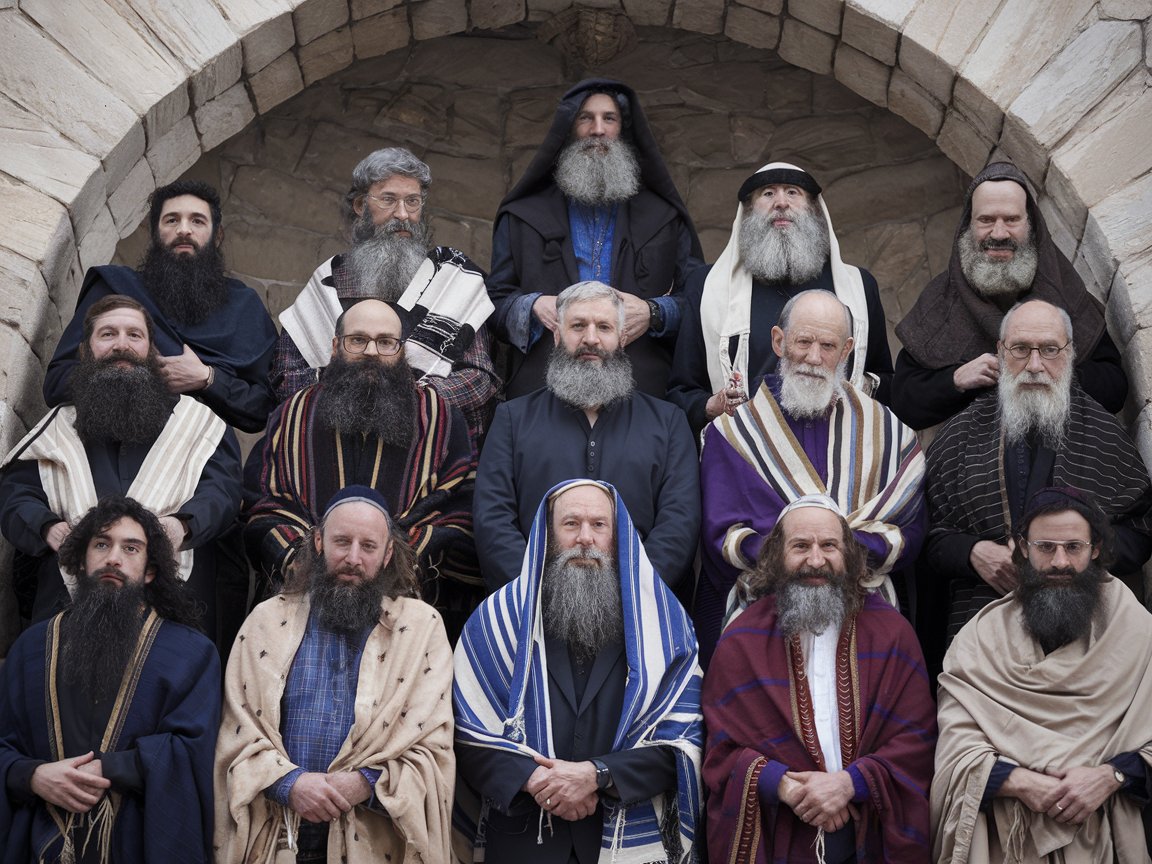
圖片鳴謝:grok.com, creator.nightcafe.studio/

不信天主不會下地獄 Atheists Won't Go To Hell

《論盡神學》--每日神糧
十月廿六日

那個法利塞人立著,心裡這樣祈禱:天主,我感謝你,因為我不像其他的人,勒索、不義、奸淫,也不像這個稅吏。
(路18:11)

今天的福音告訴我們,耶穌基督的確是「善牧」,對亡羊不離不棄(路15:4)。今天所讀的福音,耶穌一再為「偽善者」講比喻(18:9),苦口婆心地勸導他們悔改。雖然法利塞人是偽善者中的表表者,但世上偽善者何其多,俯拾皆是!

首先,我們假設比喻中的法利塞人,在祈禱的時候沒有撒謊。諒他也不敢,因為即使他能瞞騙蒼生,也決不能逃過天主的法眼,所以可以肯定他的祈禱是真心的。這個法利塞人並非一無是處,無可藥救。且看在祈禱開始的時候,他懂得感謝天主。要知道擁有感恩之心,可以保證一個人不會喪失信德。倘若在末日他被判下地獄,一定是因為其他的罪過,而不是因為他不相信天主!

其次,這個法利塞人的毛病在哪?就是他為了抬舉自己而踐踏別人!他不像其餘犯誡命的罪人,尤其是不像那些替羅馬人迫害同胞的稅吏,他們甘心為虎作倀,從中取利,願天主懲罰他們…比喻中的他,借用其他罪人來襯托自己在道德高位,再看到他在天主前列舉自己所做過沽名釣譽的「善行」(18:12),真是愚不可及,班門弄斧!試問這些微不足道的雙倍齋戒和十一奉獻,在天主前能算甚麼?達味說:「我算甚麼?…其實一切是由祢而來,我們只是將由祢手中得來的,再奉獻給祢」(編上29:14)!這個法利塞人的驕傲,也只是「七罪宗」之一。他是陷於誘惑,只要他能懸崖勒馬,便不會犯下大罪而下地獄了。

但不要小覷惡小而為之,因為驕傲會發展到目中無人,看不見貧困者的需要,不去做愛德服務。偽善者不愛弱小的「天主肖像」(瑪25:40),便會發展到不再愛天主,這纔是下地獄的死罪啊!
天主保祐!

論盡神學
圖片鳴謝:grok.com


“The Pharisee took up his position and spoke this prayer to himself: O God, I thank you that I am not like the rest of humanity --- greedy, dishonest, adulterous --- or even like this tax collector.”
(Luke 18:11)

The gospel passage today tells us that Jesus Christ is truly the “Good Shepherd” who doesn’t give up on the lost sheep (Luke 15:4). He repeatedly “addressed parables to those who were convinced of their own righteousness and despised everyone else” (18:9), hoping that they would repent. Though “Pharisees” has become synonymous with “hypocrites” who are always there wherever we set our sight on!

Firstly, let us assume that the Pharisee in the parable does not tell lies in his prayers. He does not dare to because even if he is able to cheat everyone, he is unable to cheat God. So, we can be certain that his prayer is genuine. This Pharisee is not irredeemable. In the beginning of his prayer, he thanks God! Remember that a person will never lose his faith if he has a grateful heart. If he were sent to hell at the end of the world, he must have committed sins other than not believing in God!

Then, what is the fault of this Pharisee? He exalts himself by trampling on the others! Unlike the rest who breach the commandments of God, in particular, those tax collectors who work for the Romans to maltreat fellow Jews and gain benefits. May God punish them … In the parable, he makes use of other sinners to exalt himself to moral heights. Moreover, his enumeration of his fame-seeking merits (18:12) before God is truly stupid! How much do these double weekly fastings and tithes count? King David says, “Who am I? … For everything is from you, and what we give is what we have from you” (1 Chronicles 29:14)! Pride is the sin of this Pharisee and is a deadly one. He is in temptation. Pray that he is able to arrest his fall lest he ends up in hell with worse sins.

Don’t commit sins because they are venial. It is because pride will blind us to seeing the needs of the poor and we shall neglect charity. Hypocrites who do not love the images of God in poverty (Matthew 25:40) will become blind to God. This is the mortal sin that send them into hell!
God bless!

Wednesday, 21 May 2025

「以色列十二支派」和「十二宗徒」的迷思 The 12 Tribes of Israel and The 12 Apostles

「以色列十二支派」和「十二宗徒」的迷思
The 12 Tribes of Israel and The 12 Apostles

天主的安排並不容易理解,而我們所用的標籤,必定會簡化了一些複雜的事實。例如「以色列十二支派」、「十二宗徒」等等,這些簡化了的標籤,對!是標籤,其實包含了複雜的歷史軌跡。當我們使用這些標籤時,我們祇選擇了部份內容。結果,我所說的「十二支派」和你聽到與及意會到的「十二支派」,可能是兩回事!

話說百歲的亞巴郎所生的幼子依撒格,〔請注意這個「生」字,已經把事實簡化了。生依撒格的是撒辣,而不是亞巴郎!〕他的妻子黎貝加懷了雙胎,天主說:「妳一胎懷了兩個國家,妳腹中所生的要分為兩個民族:一個民族強於另一民族,年長的要服事年幼的」(創25:23)。首先出生的是厄撒烏(25:25),又稱為厄東(25:30)。他的弟弟出生時,握著他的腳跟,所以取名叫「雅各伯」,是「腳跟」的意思(25:26)。長大後,在母親的協助下,雅各伯騙取了長子的祝福,然後逃離厄撒烏的追殺,跑到舅父拉班的家中避難,並娶了兩個表妹和她們的婢女為妻妾,這四個女人一共為雅各伯生了十二個兒子(35:23-26)和一個女兒。二十年後(31:38-41),雅各伯已擁有足夠的財富,便決定回鄉與兄長修和。途中遇到了天神,搏鬥了一夜,天神給他起名為「以色列」,意思是「與神與人搏鬥,佔了優勢」(32:29)!所以《創世紀》中的以色列,就是雅各伯。至於肋未和猶大,是雅各伯的第三、四個兒子,由大表妹肋阿所生。雅各伯鍾情的,卻是二表妹辣黑耳,她為雅各伯生了若瑟和本雅明(35:24)。雅各伯偏愛若瑟,於是其他的兄弟遷怒若瑟,把他賣到埃及當奴隸。在七年大饑荒的時候,若瑟救了雅各伯全家七十口(46:27)到埃及定居。

四百多年後,肋未的後裔梅瑟,解放了六十萬以色列子孫,離開埃及(出12:37)。四十年後由厄弗辣因的後裔,農的兒子若蘇厄(編上7:27)帶領第二代的以色列子孫,渡過約旦河、攻陷耶里哥城並平定客納罕地各部族,把土地分配給以色列的十二支派。問題來了:分封客納罕土地的以色列十二支派,就是雅各伯的十二個兒子的後裔嗎?既對且錯!

「十二支派」一詞,首先出現在《創世紀》。雅各伯臨終前祝福十二個兒子時,包括了肋未和若瑟(創49:28)。在這裡,「十二支派」的確是指雅各伯十二個兒子的後裔。四百多年後,梅瑟領以色列子孫到西乃山與上主天主立約時,「梅瑟在山下立了一座祭壇,又按以色列十二支派立了十二根石柱」(出24:4)。當時應該是指雅各伯十二個兒子的後裔。司祭和大司祭禮服的「胸牌」上鑲有十二塊寶石,刻了「以色列的兒子的名字…代表十二支派」(28:21; 39:14)。 可是,從《戶籍紀》開始,十二支派的名字,已沒有肋未和若瑟了!例如「十二族長」的名字(戶1:5-15),十二支派二十歲以上能上陣作戰的男丁人數(1:21-43)。至於肋未人,天主說:「祇有肋未支派,不要登記,不要將他們列在以色列子民內」(1:49)!肋未人不用作戰,不屬於以色列子民,即不是十二支派之一,而是獻於/屬於天主的特選一個支派,在會幕中服務(18:2-6)!在《戶籍紀》、《申命紀》、《若蘇厄書》和《編年紀上》,仍稱為「肋未支派」,但已不屬於「以色列十二支派」了!

分土地的十二支派中,沒有肋未的後裔!「惟獨肋未支派沒有分得產業,因為上主以色列的天主自己是他們的產業,有如上主對他們所說的」(蘇13:14)。這是一句值得深思的金句,原來所有獻身事奉天主的人,無論是修道人士或是教會的聖職人員,他們所得到的賞報,遠超世俗所能提供的!肋未支派是司祭和負責祭祀天主的人,他們沒有分到連貫的土地,而是由其他十二支派,一共分給了肋未人五十座城和四周的城郊(21:1-8)!這樣安排是合理的!因為當時還沒有聖殿,可供統一祭祀之用。分佈在客納罕地的五十座「肋未城」,是最恰當的安排。
以色列十二支派的名字中,除了沒有肋未外,也沒有若瑟。取而代之,是若瑟在埃及所生的兩個兒子:默納協和厄弗辣因!「十二支派」的名字,似乎與這些族長的長遠貢獻無關。例如,猶大有貢獻,因為達味和耶穌都是他的後裔;厄弗辣因有貢獻,因為若蘇厄是他的後裔。那麼,肋未不重要嗎?梅瑟和亞郎都是他的後裔!而且,當天主因拜金牛事件而大怒,打算消滅了以色列子孫,由梅瑟和他的後裔取而代之的時候,若不是梅瑟求情,世上恐怕不會有十二支派了(出32:10-14)!為甚麼「以色列十二支派」沒有肋未呢?而且,默納協沒有甚麼實質的貢獻,是他的父親若瑟有貢獻。為「以色列十二支派」這個標籤找解釋,真是困難!

同樣複雜的,還有「新以色列」(宗1:6)的「十二族長」,即耶穌基督所揀選的「十二宗徒」!猶達斯是耶穌在最初揀選的十二宗徒之一,可惜他「放棄了這職位,去了他自己的地方」(1:25b)。於是門徒們補選了瑪弟亞,取代了猶達斯的職務(1:26),開後世按立宗徒繼承人的先河。後來,耶穌基督又在大馬士革路上,召選了掃祿,即後來的保祿,「為把我【耶穌基督】的名字帶到外邦人、國王和以色列子民前」(9:15)。那麼,保祿算是「十二宗徒」之一嗎?倘若是,是否意味著耶穌基督否定了教會的補選程序和按立主教的程序呢?這是嚴重的,教會便沒有了將未來!抑或是雙軌平行呢?這個簡單的問題,並非多此一問!

保祿曾批評格林多教會分黨分派:「你們各自聲稱:我是屬保祿的,我是屬阿頗羅的,我是屬刻法的,我是屬基督的…你們受洗是歸於保祿名下嗎?」(格前1:12-13)。可見初期教會尚沒有發展出「聖而公教會」的觀念,仍然依照「新以色列十二支派」的模式運作,得救的人受洗加入某「族長」的支派云云!可見「十二宗徒」這個標籤,和「以色列十二支派」一樣,有它的複雜軌跡。
研究「十二宗徒」這個標籤,決不是無聊的問題,是與理解《默示錄》的象徵符號攸關!若望以「聖城耶路撒冷」象徵在末日出現的「新天新地」。聖城在東南西北四個方向,各有三座門,一共十二座門,「門上寫著以色列子民十二支派的名字」(默21:12)。有肋未和若瑟的名字嗎?聖城的「城牆有十二座基石,上面刻著羔羊的十二位宗徒的十二個名字」(21:14),是「瑪弟亞」,還是「保祿」呢?抑或是其他沒有記載在【新約】內的人呢?真是耐人尋味!。

忽發奇想,可能這座聖城不是三維而是四維甚或四維以上的結構!若望在神視中見到了,可惜文字上表達不了這個看似十二,卻實在是十三、十四的結構,也未可知。例如:加上了時間的維度,「十二支派」和「十二宗徒」的名字,無論是十三、十四甚至更多,都可以像「走馬燈」一樣,輪流出現在十二個名字的「視窗」之中。
親愛的讀者,這是小編以平庸的知識所能設計到的方案,相信天主的方法會是更加絕妙!


圖片鳴謝:ideogram.ai, https://en.wikipedia.org/wiki/File:8-cell-simple.gif, https://en.wikipedia.org/wiki/File:12_Tribes_of_Israel_Map.svg

Thursday, 4 February 2010

Census in the Old Testament

In Exodus, God instructed Moses to number the Israelites over 20 years old. Why were those under 20 not counted? Perhaps, those above 20 were supposed to be strong enough to take part in battles. Therefore, the census was also meant to be an estimate of the military strength of Israel. However, there was a string attached. Each man numbered must give half a shekel of silver as a ransom for himself.
When you take the census of the people of Israel, then each shall give a ransom for himself to the LORD when you number them, that there be no plague among them when you number them.
Each who is numbered in the census shall give this: half a shekel according to the shekel of the sanctuary (the shekel is twenty gerahs), half a shekel as an offering to the LORD.
Every one who is numbered in the census, from twenty years old and upward, shall give the LORD's offering.
The rich shall not give more, and the poor shall not give less, than the half shekel, when you give the LORD's offering to make atonement for yourselves
(Exodus 30:12-15).
Therefore, census served more than an estimate of the military strength. It was also an opportunity to collect extra money, shall we say a tax, from the people. The poor were not exempted! What was the reason? There would be no plague among them! Why then should they numbered the people in the first place? It seems that census was a necessary evil in the eyes of the Israelites.
In the end, the number of Israelites 20 or above was found to be 603,550 (Exodus 38:26b). In the book of Numbers, we found a similar figure of 601,730.
This was the number of the people of Israel, six hundred and one thousand seven hundred and thirty (Numbers 26:51).

In the last chapter of the Second book of Samuel, we found another census. The circumstances were more complicated.
Again the anger of the LORD was kindled against Israel, and he incited David against them, saying, "Go, number Israel and Judah." (2 Samuel 24:1)
How shall we understand this verse? Remember, people in Old Testament time used to ascribe the actions of rulers to God. God hardened the heart of Pharaoh so that he refused to let the Israelites go. This time, God incited David to order a census. The First Book of Chronicles ascribes this to Satan (1 Chronicles 21:1). So, who ordered it, God, Satan or David? In either case, David could not escape blameless. King David commanded Joab to carry out the census. But this idea was not well received.
But Joab said to the king, "May the LORD your God add to the people a hundred times as many as they are, while the eyes of my lord the king still see it; but why does my lord the king delight in this thing?" (2 Samuel 24:3)
If King David was concerned about the military strength of Israel, Joab prayed that King David could be able to see the military active population grow before he died. However, David insisted and Joab had not choice but to carry out the King's command.
It seemed that it was not a tax collecting mission. Joab took nine months and twenty days to accomplish the mission.
And Joab gave the sum of the numbering of the people to the king: in Israel there were eight hundred thousand valiant men who drew the sword, and the men of Judah were five hundred thousand (2 Samuel 24:9).
So, the military active population had nearly doubled since Moses' time, from 600000 to 1300000.
David regretted after learning this number.
But David's heart smote him after he had numbered the people (2 Samuel 24:10a).
The First Book of Chronicles has a different story.
But God was displeased with this thing, and he smote Israel (1 Chronicle 21:7).

God gave David three choices, through prophet Gad, David's seer (2 Samuel 24:11).
Option#1: three years of famine in the land.
Option#2: three months of fleeing for life for David.
Option#3: three days of plague in the land (2 Samuel 24:13, 1 Chronicles 21:12).
What do you think David would choose? Would David consider the duration of punishment, or the good of his people? Would David take into consideration the will of God? If you were David, what would you choose? Find out for yourself.
In the end, David bought the threshing floor of Araunah the Jebusite to build an altar to offer sacrifices to the Lord.
So David bought the threshing floor and the oxen for fifty shekels of silver.
And David built there an altar to the LORD, and offered burnt offerings and peace offerings
 (2 Samuel 24:24b-25a).

Dear Lord, I pray that our words and deeds will not displease You. Amen.

Wednesday, 3 February 2010

Presentation of Jesus in the Temple 2010

Forty days after his birth, Jesus was presented in the Temple according to Jewish laws (Leviticus 12:2-8, Luke 2:22-24). This law applies to all children born, whether they are first-born or not. It is a purification rite. If the child is a first-born boy, this presentation to the Temple acquires an additional meaning. Since the Lord delivered the Israelites from Egypt by killing the Egyptian first-born males, God told Moses to consecrate to Him, that is to offer to Him as sacrifices, all the first-born, both of man and of beasts (Exodus 13:2). Of course, first-born animals are sacrificed but the first-born of man are redeemed (Exodus 13:15).
Suddenly, forty days have elapsed since Christmas. It is February 2.

The Presentation of Jesus in the Temple manifests the Jewishness of Jesus. Jesus was born a Jew and would work among the Jews. This feast is about him. It is his. Yet, this feast has another meaning for us, as expressed in the book of Malachi. He arrived suddenly at the Temple to purify the sons of Levi!
he will sit as a refiner and purifier of silver, and he will purify the sons of Levi and refine them like gold and silver, till they present right offerings to the LORD.
Then the offering of Judah and Jerusalem will be pleasing to the LORD as in the days of old and as in former years
 (Malachi 3:3-4).
What does that mean? Who are these sons of Levi?
Indeed, the Israelites are supposed to be a kingdom of priests, a holy nation (Exodus 19:6). All of them are supposed to be Levites assigned to offer sacrifices for all peoples on earth. Christians, the new Israelites, have inherited this status. At their baptism, Christians take up and share Jesus' offices of a king, a priest and a prophet. All Christians are priests. It is their role to represent mankind, Christians and non-Christians alike, to offer prayers and sacrifices to God. Though they may not be priests in the hierarchy, they should offer up their life and their work as pleasing sacrifices to God. They pray for themselves as well as for those who have not heard of God and those who are not yet believers in God.

Now that we have the sons of Levi, who turn out to be Christians, where and how does the purification take place? If the purification aspect is not so obvious in this presentation scene, another incident three decades later would make Jesus' purification role very conspicuous. Jesus chased the merchants out of the Temple to clean up the abusive practices prevalent in the Temple worship (Luke 19:45-46). We will be overstretching the gospels if we link the Presentation of Jesus in the Temple to the Cleansing of the Temple some thirty years later. We need to look elsewhere and indeed, it is not hard to find. The two great apostles have left us great theologies of the Temple.
St. Paul exhorts the Corinthians, and thus all Christians, not to commit adultery because our bodies are palaces/temples of the Holy Spirit (1 Corinthians 6:19).
St. Peter teaches that we are living stones to build a spiritual house.  We are a holy priesthood (1 Peter 2:5). St. Peter has successfully completed a full circle, bringing back the teaching of Exodus 19. So, Christians are all priests as well as chapels themselves and together, they are building blocks of the Universal Church.

As priests, how can we be sure that our sacrifices shall be pleasing to God? This is done by Jesus. Our prayers may be selfish. Our life and work may not be pure. Yet, when we offer up our prayers and our work in the name of Jesus, these sacrifices will be pleasing to God. Jesus is doing the purification work for us.

Dear Lord, purify us so that our prayers and sacrifices will be pleasing offerings to our Father in heaven. Amen.

Friday, 1 January 2010

The advantages of being Christians

There always lies a danger of quoting out of context. Yesterday, I did not quote the full story of Matthew 25. It was unfair to readers who are not familiar with the Gospel of Jesus. Therefore, pardon me to quote the remaining section of the story.
Then the righteous will answer him, 'Lord, when did we see thee hungry and feed thee, or thirsty and give thee drink?
And when did we see thee a stranger and welcome thee, or naked and clothe thee?
And when did we see thee sick or in prison and visit thee?'
And the King will answer them, 'Truly, I say to you, as you did it to one of the least of these my brethren, you did it to me.'
 (Matthew 25:37-40)
Most Christians are supposed to know the last verse. Therefore, the righteous mentioned above are obviously those who have never heard of this story, Christians and non-Christians alike. Yet, they follow their conscience and have done what is the right thing to do. That is why they are the righteous, not because of their knowledge or religious faith, but because of their actions. Once more, I have proved that all mankind, both Christians and non-Christians can attain salvation. So, why bother to become a Christian?

On the last day of the year, let me explain a bit what I understand as the advantages of being Christians.
First of all, Christians know this "syllabus" of six actions. This is their first advantage. If they do not take this advantage, it is their fault.
Secondly, they know other teachings of Jesus and the most important of all, they know Jesus is the Son of God.
Who is the liar but he who denies that Jesus is the Christ? This is the antichrist, he who denies the Father and the Son.
No one who denies the Son has the Father. He who confesses the Son has the Father also
 (1 John 2:22-23).
Other religions may teach an ethics nobler than Christian ethics. But Christians have a hot-line directly connected to God and it is Jesus who came to show us the way to return to God.
Thirdly, 1 John assures us that if we miss the target and know that we have missed, Jesus will forgive us.
My little children, I am writing this to you so that you may not sin; but if any one does sin, we have an advocate with the Father, Jesus Christ the righteous (1 John 2:1).
Many people have missed the mark and regret. Their conscience rebukes them. Unfortunately, they have no assurance that they can restart again. Their faults may weigh them down, even into despair. But Christians have the advantage of direct access to Jesus who saves and forgives. Despite all the sins we have committed, we may rest assured that we can start anew.
Fourthly, Christians are given the Holy Spirit, the third person of the Blessed Trinity, the Counsellor who will accompany us all the way back to God. The Holy Spirit empowers us to overcome all obstacles throughout our earthly journey.
But you have been anointed by the Holy One, and you all know (1 John 2:20).
St. Paul even names the Holy Spirit the seal, the guarantee of eternal life (2 Corinthians 1:22).
Last but not the least, Christians form a Church in which we, the Holy Spirit empowered People of God, support each other to continue the mission of Jesus until the end of the world. This is a complex topic which a few pages will not do her enough justice. Suffice it to say that the Church is a visible channel through which God's grace is outpoured to assist mankind to attain salvation.

Tonight we returned to the parish to celebrate a Thanksgiving Mass. We thank God for all the blessings He bestowed us throughout the year. Fr. Milanese, our parish priest, recounted a lot of local and global troubles. He admitted that it is very difficult for people without faith in Christ to discern that difficulties and sufferings are blessings in disguise. One of the ways with which God empowers us is to put us through difficulties and troubles so as to draw out our strengths. He exhorted us to seize the moment, to treasure whatever we have. Count our blessings, not just our troubles.

Dear Lord, my faith is weak. Help me to believe more. Amen.