Translate

Showing posts with label numbers. Show all posts

Sunday, 4 January 2026

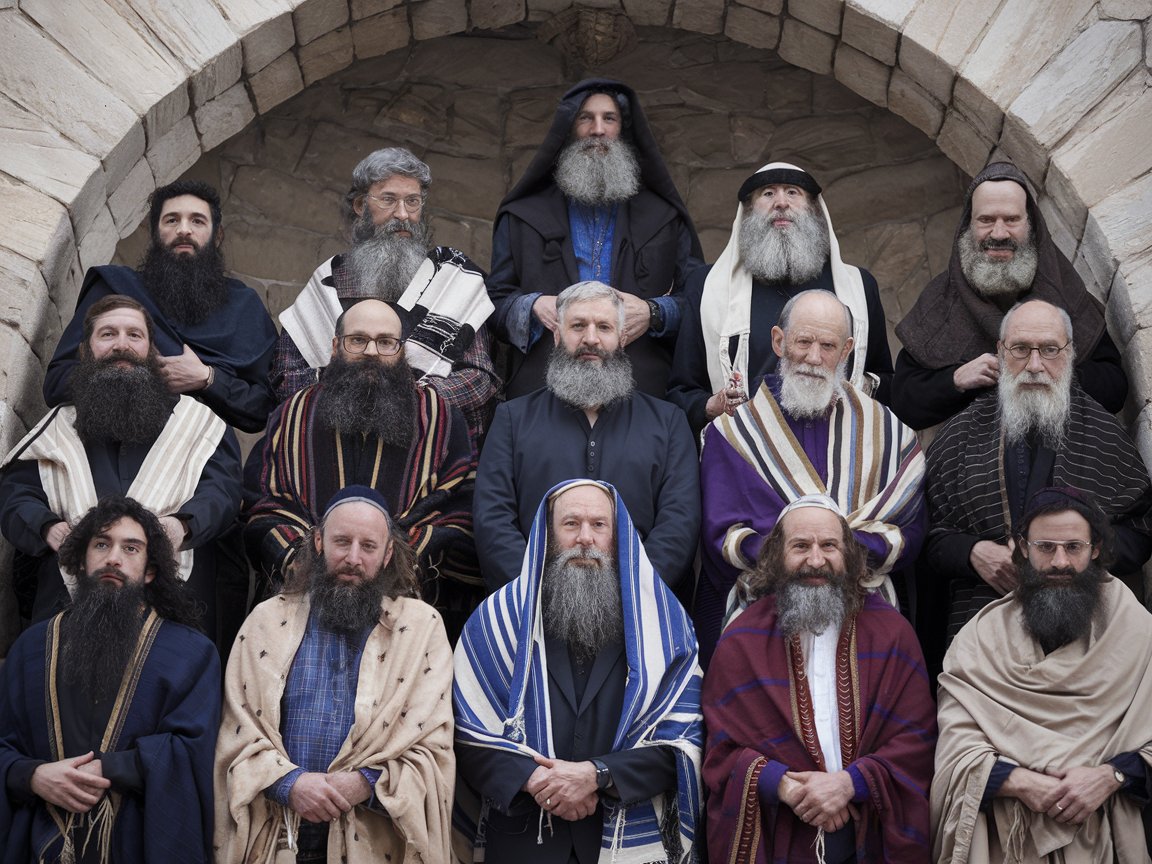
三王幻想曲 A Magi Fantasia

主顯節,甲年
主題:三王幻想曲 A Magi Fantasia

要知道在第一世紀,我們所認識的「天文學」並不存在。在技術方面,由於沒有望遠鏡,只能靠肉眼觀察。當時的人只能大約地定下「春分」在每年的三月二十一日,「秋分」在九月二十四日;「夏至」在六月二十日,「冬至」在十二月二十五日!而且「太陽曆」與「太陰曆」以十九年的周期重合等等,已經是了不起!當時的物理學只有亞基米德的杠杆和齒輪力學,可以計算目前的機械效率;還沒有牛頓力學,可以計算星體運行的過去未來!當時大行其道的,與上至帝王,下至平民百姓息息相關的,就只有占星術,一些按天象的變化而推演的吉凶判斷。「賢士μάγος」的希臘文原文,是指行使巫術、占星術、招魂術等的「術士」(瑪2:1; 宗8:9, 13:8),在古代是有地位的人;但在科學昌明的今天,他們是導人迷信的人,沒有甚麼賢能可言!可是慈悲的天主,並沒有放棄這些誤入歧途的人,卻以他們所熟悉的文化,引導他們找到真主!

於是,在天主子降生成人的同時,天象起了變化,吸引了一些「賢士」從遠東往西走,前往猶大尋找一位「新生王」。他們最有可能生活在「絲綢之路」所經過的地方,那裡有許多文化資訊往來交易。這些「賢士」絕非一般不學無術的「神棍」,更有可能是能操多國語言的有識之士。在《瑪竇福音》的聖誕故事中,他們好像不用翻譯,便能直接與大黑落德對話(瑪2:7-8)。或許在他們的「藏經閣」中,有我們所認識的《梅瑟五書/妥拉》,當中曾記載說:「我看見祂,卻不是在現在;我望見祂,卻不是在近處:由雅各伯將出現一顆星,由以色列將興起一權杖…」(戶24:17a)。這顆星不但吸引了來自東方的占星術士,而且吸引了西方的科學家,攪盡腦汁,運用已知的天文知識,例如彗星、五〔行〕星連珠和超級新星等等來解釋這顆「白冷之星」。甚至運用電腦科技,在螢光幕上模擬白冷城在不同時代的星空,推算出耶穌在公元前六年的四月十七日在白冷出生云云!這一切努力的背後,反映了人類心底深處對尋找真理的執著;和對美善國度的渴望。

畢竟政治現實是殘酷的,人的心固然渴求真理和美善,但人的心仍受著許多邪惡的因素所牽制。任何群體都把希望押在下一代身上,但大黑落德為了鞏固自己的王位,不惜大開殺戒,斬草除根,「差人將白冷及其周圍境內所有兩歲及兩歲以下的嬰孩殺死」(瑪2:16)而後快!賢士們又如何呢?他們選擇不辭勞苦,真的是純粹為了尋覓真主嗎?不一定!因為《戶籍紀》記載的預言跟著說:「由以色列將興起一權杖,擊碎摩阿布的額角,粉碎舍特一切子民的腦蓋…由雅各伯將出生一位統治仇敵者,祂要除滅依爾的遺民」(戶24:17b-19)。預言中提及的名字,可能是代表賢士們國家的暗號,也未可知。所謂「居安思危」,這種「危機感」便代代相傳:當「雅各伯星」出現時,趁這個「新生王」尚未成氣候,應該以「朝拜」為名,一探其虛實,甚至建立邦交,方是上上之策!所以,賢士們很有可能在執行一個「外交」任務,甚至是「搜集情報」的任務。

這些賢士絕非等閒之輩,大黑落德的虛情假義,又怎能瞞過這批情報搜集高手呢?加上耶路撒冷百姓當初的恐懼,以及後來得知「新生王」不是生於耶路撒冷而鬆一口氣,賢士們可以推斷大黑落德不是一位賢君,甚至幾乎可以肯定羅馬帝國將會扶植這個「新生王」作為日後的傀儡王…瑪竇宗徒寫福音,旨在證明耶穌基督是猶太信徒期待已久的默西亞,對於「賢士」來「朝拜」耶穌聖嬰的其他動機,沒有興趣猜想。至於他們為甚麼「由另一條路返回自己的地方去」(瑪2:12),瑪竇沒有賢士的機心,惟有重施故技,說是「在夢中得到啟示」,作為交代。雖然說:「日有所思,夜有所夢」,但總覺得瑪竇講故事的技巧,有點牽強,欠缺說服力。

賢士們由另一條路返回自己的地方,還有另外一個可能性,是瑪竇沒法知道的,所以沒有記載下來。這段空白,留給後世的信徒,一個豐富的默想空間!就是賢士們「走進屋內,看見嬰兒和他的母親瑪利亞」(2:11),他們感受到了甚麼呢?這是至關鍵的!嬰兒和他的母親,相信賢士見過不少。是甚麼足以令這些賢士「俯伏朝拜,打開寶匣,奉獻黃金、乳香和沒藥」呢?親愛的弟兄姊妹,讓我們跟隨聖人們推薦的默想方法,想像自己就是賢士之一,或者是他們的隨從,是瑪利亞,或者停在屋頂上的「白冷之星」都可以。在現場你感覺到甚麼呢?

執事我想像自己是賢士之一,原本打算搜集一些有關國家安全的情報。豈料嬰孩的眼神,表示祂完全通曉我的動機,但祂仍然歡迎我、接納我。瞬息間,祂把以往我不知道卻很想知道的事物在我腦海閃過,還把未來全部的可能性,灌輸到我腦海中。這些可能性有些是可喜的,有些卻是極度恐佈的。我的腦袋雖然好像貪婪的海綿不斷地吸收,但始終容量有限,顧此失彼。最後我投降了,我感覺到自己所知和所學的,在祂面前,原來一文不值。我不禁說:「主!祢應受讚頌,我可以為祢做甚麼呢?我在這裡,請派遣我。」可能是「傳心術」吧,祂即使沒有開口說話,我已領會到祂對我說:「上善若水」。上天的美善是不費氣力的,俯就卑微弱小的人類。如像水一樣靈活流動,繞過抗拒的事物,滋潤他們,雕琢他們;祂變化自己成為冰、水和蒸氣,甚至三種形態同時存在,為了滿足萬物不同的需要…

各位親愛的兄弟姊妹,所以眼前的「新生王」,不會侵略分裂我的國家、不會強行越境拘捕我國元首。祂要以公義治理萬民,以慈悲寬恕展示大能。祂是「厄瑪奴耳」,就是永遠與我們同在,一起同甘共苦的和平君王…明白了!我無需從原路返回,部署下一部步作戰計劃。我要走另一條路,就是在路上宣告這一個好消息:「一個嬰孩為我們誕生了…祂的名字要稱為…強有力的天主…和平之王」(依9:5)。全人類可以重燃希望了,因為一個和平、仁愛和公義的世界,一定可以出現;大家能夠相親相愛的國度,就在眼前。我要做一個「希望的傳承者」,亞孟。
天主保祐!


2023年反省
圖片鳴謝:Copilot, Grok
影片鳴謝:BBC Studio, Youtube
2002年 BBC 出版「神之子」紀錄片,中文字幕是基督教用語;但最令人難受的是粵語配音,語氣輕佻,不堪入耳!
作為慕道班教材,惟有自己動手動寫中文字幕,保留英語原音(可惜有些少不同步),供各位導師使用。

所以一定要鳴謝 BBC,
滿以為BBC會用版權理由,反對我上載 youtube
結果有目共睹

Sunday, 21 December 2025

天主與我們同在 God Is With Us

將臨期第四主日,甲年
主題:天主與我們同在 God Is With Us

我們已經來到將臨期的第四主日,讓我們重溫;並檢討過去三個星期,作為「希望的傳承者」所做的準備功夫,做得有多妥當。我們在上主的光明中行走(依2:6)嗎?我們恢復了天主創造之初的美好,獅子與牛一樣吃草(11:7)嗎?我們有幫助人認識真理,不再瞎眼和聾啞(35:5-6)嗎?倘若成績強差人意也不用失望,今天的教訓會給予我們所需要的鼓舞。

今天第一篇讀經的背景是這樣的。阿哈次是南國猶大的君王,是達味王朝的正統。北方的亞述帝國崛起,威脅到阿蘭〔敘利亞〕和以色列國。他們想與猶大國結盟一起反抗亞述,可是阿哈次有其他的盤算而謝絕了。這個決定激怒了敘利亞和以色列,他們便組成聯軍攻打猶大,迫猶大就範。在此兵臨城下,猶大快要失守之際,上主派遣依撒意亞先知覲見阿哈次,勸君王信賴上主為猶大作戰,擊退聯軍。這就是今天第一篇讀經的上文。

徵兆」即是「神跡」。上一個主日提及耶穌基督行神跡的時候,已經解釋了「神跡」是天主臨在的「標記」,當代的術語是「徵兆」。要求一個來自陰府、來自諸天的徵兆,是表示要求一個超自然的神跡的意思,例如分開紅海、停止太陽運行等等。1
回到阿哈次的答覆,他說:「我不要求,我不願試探上主」(依7:12)。聽來冠冕堂皇,耶穌也是這回答撒殫的試探,阿哈次的答覆有何不妥?為甚麼依撒意亞這樣嚴厲批評他,是否過份了呢?「達味的家族,你們聽著罷!你們使人厭惡還不夠,還要使我的天主厭惡嗎?」(7:13) 「我的天主」?難道依撒意亞的天主,不是阿哈次的天主嗎?莫非還有別的天主嗎?當然只有一個天主,但阿哈次是一個拜偶像,甚至把自己的兒女祭神的邪惡君王(列下16:1-4)!他說的漂亮話又豈能掩蓋天主的慧眼呢?就在這樣的背景之下,天主許下與我們同在的諾言:「因此,吾主要親自給你們一個徵兆:看,有位貞女要懷孕生子,給他起名叫厄瑪奴耳」(依7:14)。天主就是這樣行事,祂不用威權強迫我們信服祂。所以祂沒有行驚天動地的神跡,只是一些最普通不過 的事物─「一位貞女要懷孕生子」。一個已婚少婦的第一胎便生了個男嬰,有甚麼希奇?

要知道先知的預言不但在短期、在聽到預言的人有生之年應驗,而且還會在遙遠的未來,在時機成熟時,更完滿切實地應驗!首先,邪惡的阿哈次王後來的確生了希則克雅。這個希則克雅在阿哈次死後繼位成為猶大王,史書稱讚他:「信賴上主以色列的天主;在他前後的猶大列王中,沒有一個可與他相比的」(列下18:5-8)。在宗教改革方面,他不但廢除高丘、掃除偶像,甚至連梅瑟所製造的銅蛇也打碎了,因為人民向銅蛇焚香(18:4)!政治方面,希則克雅憑天主的助力,擺脫了亞述王的羈絆,不再作他的藩屬!可見「厄瑪奴耳」─天主與我們同在,是絕對重要。相反,他的父親阿哈次王不聽從依撒意亞先知、不信賴上主,反而向亞述帝國獻媚,請亞述攻打聯軍,為耶路撒冷京城解圍。結果引狼入室,往後的日子,猶大國要向亞述帝國年年進貢!亞述滅了以色列國之後,繼續南下侵略猶大國。在公元前701年,亞述大軍圍困耶路撒冷城,希則克雅王向天主祈禱求救。史書記載:「當天夜裡,上主的使者出來,在亞述營裡殺了十八萬五千人,清晨人們起來,看見遍地都是死屍」(19:35),於是亞述王拔營撤退。十八萬五千可能誇大了,但歷史證明,猶大國的確命不該絕,要再過115年後,她纔被巴比倫帝國征服!

厄瑪奴耳」預言更長遠、更完滿的應驗,發生在耶穌基督身上。瑪竇宗徒為了證明耶穌就是猶太信徒期待已久的默西亞,便為他們編纂了耶穌的族譜,證明耶穌是出自達味的血統,有資格做默西亞,繼承達味永存不替的王朝(瑪1:1-17)。而且耶穌的誕生,應驗了先知們的五個預言,「厄瑪奴耳」預言是第一個。瑪竇宗徒展示了:默西亞由童貞女所生(1:23)、在白冷出世(2:6)、在埃及避難(2:15)、有無辜嬰孩遭屠殺(2:18)與及稱為納匝肋人(2:23)等等。 2

耶穌基督與我們的同在,比希則克雅王所帶來的宗教改革和國家安全,何止更勝一籌,不知優勝多少倍!祂的臨在是沒有種族、語言、地域和時空的限制,而且是當我們最困難悽慘的時候,祂陪伴我們,安慰我們。天主子選擇出生在馬槽裡,嬰兒時期已經是一個難民,流離失所。長大後只不過是木匠,不是甚麼法學士或者司祭。雖然榮進耶路撒冷,但卻被自己的門徒出賣、否認,眾叛親離,孤獨一人承擔全人類古往今來的罪債,釘在十字架上,受盡恥辱,甚至感受到天父的捨棄!這樣,世人還有甚麼苦難,祂不能和不會承擔呢?就是這份不離不棄的陪伴,帶給了全人類希望。不但如此,在十字架下,還有祂的愛徒若望和基督之母瑪利亞。她們代表著教會和教會之母,在現場的痛苦中,默默地分擔這救贖的工程。在苦難面前,她們無能為力,只能仰望著受難的基督,信靠天父的慈悲和許諾!

親愛的兄弟姊妹,我們就是若望,就是基督之母瑪利亞。我們負擔著的十字架,包含了親人的十字架─他們的疾病、痛苦以至死亡。全港市民,都承受著大埔火災的傷痛。有如瑪利亞和若望,只能望著認識的人受苦而無能為力,只能痛苦地、焦急地盼望著救援的出現。不幸地,受苦的人等不到救助,便離開了我們!作為基督徒,作為希望的傳承者,我們相信上主樂意在苦難中陪伴我們。依撒意亞先知說:「然而上主仍舊等著向你們施惠,仍高興向你們表示憐愛」(依30:18)。讓我們向身邊的人說:「上主與你們同在,亞孟」。
天主保祐!


1順帶一提,為了滿足現代人相信自然科學的心理,有國際地位的媒體公司曾製作過一齣紀錄片,邀請多位「專家」運用自然現象解釋「分開紅海」神跡。第一步,他們玩「文字遊戲」,把紅海說成不是「紅海Red Sea」,而是「蘆葦海Reed Sea」,是一個淺灘!第二,把日子推前到公元前1628年,而不是聖經學者一般的意見:即公元前1450-1250。那一年在愛琴海南部發生了一次超大型的火山爆發,引發了大海嘯,席捲地中海,抵達非洲北部的埃及。火山灰鋪天蓋地,引致埃及發生了「十災」。海嘯到達時,先是海水退卻,讓60萬以色列人走過「蘆葦海」淺灘〔倘若嫌人數太多,媒體公司會毫不猶疑地找文字學家選擇一個更合情合理的希伯來文翻譯,不是60萬人而是6千個家庭,也未可知!〕。當埃及追兵來到時,剛巧陷入倒流的海水中云云。今天的火山爆發遺跡仍在,就是被削去了一半的Santorini島!雖然專家言之鑿鑿,但仍然解釋不了「以色列子民便在海中乾地上走過,水在他們左右好像牆壁」(出14:22)。

2最後一個預言與第一個預言巧妙地呼應。第一,這個「納匝肋人」有「獻於上主的人」(民13:5; 7; 16:17)的意思,耶穌就是一個這樣的人。第二,猶太人稱基督徒為跟隨「那個納匝肋人」的人(宗24:5)。這是非常有意義的,天主不但藉著耶穌,而且透過基督徒,與人同在!另外,第五個預言亦反映了基督徒團體中,猶太信徒的文化背景。要注意:這個名詞並沒有出現在《四大先知》或《十二小先知》之中,卻出現在《民長紀》。在猶太教的經典,《若蘇厄書》至《列王紀下》,是《前先知書》。
但「白冷星」(瑪2:2)的預言記載在(戶24:17),是法律書,不是先知書。瑪竇宗徒的處理方法,盡顯基督信仰的根,來自猶太教背景!另一方面,在反省了超過半個世紀之後,若望宗徒在他的福音中見證了天父的聖言〔即天主聖子〕,取了血肉之軀,與人同住(若1:14),既強調天主子的先存性,更表現出天父對人類永恆無限的憐愛!

2022反省
圖片鳴謝:ideogram.ai, gemini.ai

Sunday, 14 September 2025

天主這樣愛了世界 God So Loved the World

光榮十字聖架慶日
主題:天主這樣愛了世界 God So Loved the World

上一個主日,主耶穌再三強調,想做「第一代基督徒」的人,與及教會將來的聖職人員,必須背負十字架跟隨祂,否則不能做祂的門徒(路14:26-27; 33)。大家要知道,時移世易,背負十字架的意義,今天與二千年前相比,不能同日而語。二千年來,基督信仰已經把十字架,從一種極端殘忍的刑具,變成了一種時尚、一種光彩!今天我們慶祝光榮十字架,藉此反省天主如何把惡事,轉化為善事的慈悲和上智!

人與人來往,總會發生糾紛。政府有責任排難解紛,主持公道。虧欠了別人便要賠償,賠償不了便應受罰。懲罰的程度應該與虧負的嚴重性相稱,這纔是天公地道的做法。於是「殺人填命」變得理直氣壯,死刑亦應運而生。《天主教要理》曾一度贊同死刑,但教宗方濟各認為死刑侵犯了人性的尊嚴,於2018年從《天主教要理》刪除了對死刑的支持(CCC#2267),成了天主教對死刑最新的官方立場。
自古以來的戰爭中,勝利在望的一方,總會展示戰敗一方將領的屍首,來打擊敵軍士氣,加快結束戰事。後來掌權者也領會到死刑有威嚇作用,警告百姓不要做出一些反抗掌權者,或者危害國家政權的行為。於是各式各樣,極其羞辱和痛苦的酷刑、死刑便相繼出籠。釘十字架不是羅馬帝國發明的,但羅馬人做事,素來以有效率見稱!

在羅馬帝國,斬首是最爽快的死刑,只留給羅馬公民享用。聖保祿是羅馬公民(宗21:39),按教會傳統,他以斬首殉道。至於那些不是羅馬公民的人,例如猶太人和奴隸,就加長他們受苦的時間,慢慢折磨他們至死,讓其他奴隸有所警惕,不敢造反。相信大家也曾聽過諺語「條條大路通羅馬」,這些所謂「大路」是指加固了的寬闊直道,方便騎兵和戰車,在最短時間之內到達前線;其中一條稱為「阿庇亞道」。在公元前72-71年發生的著名「斯巴達克斯起義」一役,羅馬兵團把6000名戰敗的奴隸,沿著這條聞名的阿庇亞道釘十字架,一共釘了二百公里!即平均每隔三十三米釘一個奴隸。其觸目驚心的程度,可想而知!釘十字架是一絲不掛地當眾懸掛著,為了羞辱死囚;不是流血不止地迅速死去,而是筋疲力盡,慢慢窒息而死。聖伯多祿是猶太人,按教會傳統,他是倒釘十字架殉道的。可能你會懷疑,何來6000個十字架呢?放心,羅馬兵團是非常有效率的,把死囚掛在木桿或樹木上(申21:22-23),甚至是釘在城牆上,也曾聽過!

所以,耶穌當時要求有意做「第一代基督徒」的人,背負十字架來跟隨祂,絕對是一項挑戰!試問你有踏上不歸之路、必死的決心嗎?你能忍受痛苦到筋疲力竭的程度嗎?你有本領把公開的羞辱當作榮耀嗎?我們經常會問,天主為甚麼要用這種沒有效率的方法,來拯救世界呢?連耶穌基督在山園祈禱時,也曾請求天父免去這痛苦之杯(瑪26:39; 谷14:36; 路22:42)!可見從人性角度出發,是不能明白天父的上智。

所謂「解鈴還須繫鈴人」,今天的第一篇讀經,給了我們一點啟示。

在起初,出於對人類的嫉妒,撒殫以蛇的形態顯現,引誘人喪失了原始的恩寵,令人變得忘恩負義,懷疑天主的安排。當以色列人在曠野埋怨解放他們的天主和祂的僕人梅瑟時,天主打發「火蛇」(戶21:6),而不是其他的猛獸,來懲罰以色列人,提醒他們問題的根本原因,就是他們心硬,叛逆天主。後來天主指示梅瑟造一條「銅蛇」,懸掛在木竿上,使瞻仰的人,保存了生命(21:9)。這銅蛇象徵了他們的叛逆;把銅蛇懸在木竿上,象徵處死這叛逆之心,歸順天主。瞻仰它就是盼望它、相信它。可惜到了君王時代,這梅瑟所造的銅蛇,已經淪為另一款偶像,供以色列人焚香膜拜,可見撒殫引誘人離開天主的魔力有多大!最後,希則克雅王在改革宗教陋習時,打碎了銅蛇(列下18:4)!即使如此,懸掛銅蛇在木竿上,便成了預示天主子要以釘十字架的方式來拯救世界的象徵,是不變的事實!這個預像,連絕頂聰明的撒殫也瞞過了;直到耶穌復活之後,撒殫纔侊然大悟!

今天福音的選段,肯定了「銅蛇」的預像角色。主耶穌說:「正如梅瑟曾在曠野裡高舉了蛇,人子也應照樣被舉起來,使凡信的人,在祂內得永生」(若3:14-15)。撒殫聽不懂嗎?可能牠被自己的驕傲蒙蔽了,以為這「被舉起來」,是指被擁立為王的意思。很明顯,撒殫對耶穌的教訓,尤其是好像針對牠所說的真理,聽不入耳。例如在丙年常年期第廿二主日的福音,耶穌說:「因為凡高舉自己的,必被貶抑;凡貶抑自己的,必被高舉」(路14:11)。這也是今天第二篇讀經的教訓。原來忠言逆耳不但適用在自以為是的人身上,連撒殫也不能倖免!

受傷的我們沒有自救的能力,只能求救、盼望、瞻仰和信靠。應該釘十字架的是有罪的人,但即使是釘十字架,罪人也未必能夠充份賠償他們所虧欠的罪債!例如殺了十個人的罪犯,祇有一條命,如何去賠償十條人命呢?天父上智而慈悲的安排,以無罪的天主子,替有罪的人交出性命,償還古今中外所有已犯、未犯的罪債,這是多麼神妙莫測的安排(依55:9)!

要相信天主子耶穌基督,已經代替你釘十字架,還清了你的罪債,你可以得到永生。你相信嗎?要相信有多難呢?有甚麼使你懷疑這份天父的慈悲呢?生活在競爭激烈的商業社會,要接受「免費午餐」是沒有可能的!只有廢人、沒有價值的人,纔會倚靠他人的施捨!即使是貧窮的人,和生活在社會邊緣的人,寧願被判頭剝削,辛辛苦苦地工作,也不願到社會福利署,申請「終援」,為的是要做一個有尊嚴的人,能抬起頭來生活做人!

這種思想和心態,表面上有理,但骨子裡卻是一種錯誤的驕傲!錯在接受了世俗化的觀念,以為人的尊嚴,單單來自他的經濟價值!這是大錯特錯的!倘若如此,便不用尊重殘疾的人、精神病人、老人和嬰兒,他們甚至不應獲得資源的分配。他們是社會的負擔,甚至在危急存亡的時候,率先喪失生存的權利!這種思想纔是踐踏人性尊嚴的元凶!【聖經】告訴我們,天主按自己的肖像造生了人類(創1:26),我們的尊嚴並非建基於我們的生產力之上,而是在於我們都是「天主看了認為好」(1:31)的傑作,我們擁有祂的肖像,是天父的子女!

親愛的兄弟姊妹!天父對我們的愛,在於祂不惜一切,賜下自己的獨生子,替世人償還所有的罪債,使我們能與祂重歸於好,參與祂的永恆生命,共享天上的筵席(若3:16)。讓我們負起「人子」的軛,即我們自己的十字架,學習耶穌良善心謙,放下自以為是的心態(瑪11:29),跟隨基督的帶領,邁向回歸父家的道路(若14:6)。亞孟。
天主保祐!


圖片鳴謝: 電影 Spartacus (1960) 完場截圖,ideogram.ai

Saturday, 14 June 2025

可以保持緘默嗎? Can We Maintain Our Reticence?

【福傳系列(六)】
可以保持緘默嗎?(瑪5:33-37)

讓我們先澄清為甚麼法律接受「發誓」程序。猶太文化對法治,貢獻良多。他們不但留下「十誡」給後世,而且是他們提出「凡殺人的案件,應依據幾個人的口供,纔可處決殺人犯;惟獨一人作證,不足以將人宣判死刑」(戶35:30; 達13:36-41)。倘若真的祇有一個見證人,如何是好?憑甚麼推翻見證人的話,而接受被告喊冤呢?倘若見證人在說真話,難道因為少了一個見證人而讓犯法的人逍遙法外嗎?於是,發誓求天主做見證,成了權宜之計。因為猶太人相信,沒有人膽敢妄呼天主的聖名,來支持自己行不義。兩個見證人合謀行不義,誣告蘇撒納,就是一個好例子,說明即使有兩個見證人,也不能保證裁判是公義的。

於是耶穌基督便杜絕了這個權宜之計,這個「發誓」程序。因為世界之大,除了相信天主的人之外,還有很多不相信天主存在的人;和表面相信,但心裡仍懷疑的人。即使他們按法律條文發誓,他們未必是真心的。他們的心是怎樣,祇有天主知道,法庭是無法確實的!天主子的要求是簡單易行的:「你們的話當是:是就說是,非就說非;其他多餘的便是出於邪惡」(瑪5:37)。

「是就說是,非就說非」,不需要潤飾、加重語氣、畫蛇添足、圓滑地不傷感情、不令當事人尷尬等等,不是最簡單易行嗎?可惜人性受了「原罪」污染,再加上沒有靈性生命的修煉,人總會說些「多餘」的話來潤飾,來加強說服力,令場面不會尷尬…結果,「毒藥」披上了「糖衣」,而真話卻被埋藏在厚厚的「調味料」之下,你們來判斷是否邪惡!

古語有云:「一言既出,駟馬難追」,可見說話是不應隨便出口的。且看,據《對觀福音》的記載,耶穌基督受審時,不是保持緘默,並沒有為自己爭取公義的裁判嗎?所以,我們可以跟隨基督的榜樣,選擇保持緘默。不過,一切應以天主的旨意為依歸,正如達尼爾的例子一樣。上主俯聽了蘇撒納的喊冤,「便感了動了一個青年人的聖善心靈,這青年名叫達尼爾」,為她申冤(達13:45-49)。請注意,這已經超出了「發誓」的範圍,而是憑「良心」說話了。

親愛的朋友,你知否救人的靈魂,是最大的法律嗎?而最大的誡命,不出愛主、愛人。所以關顧身邊的人靈性的死活,實在義不容辭。向他們宣講與天父修和的福音吧!成功與否,由天父決定,不用我們操心。放心大膽宣講吧,我們祇不過是祂的器皿,略盡綿力而已。亞孟。
天主保祐!


生命恩泉
圖片鳴謝:shop.artuk.org, www.sohu.com, grok.com

[Evangelization Series VI]
Can We Maintain Our Reticence? (Matthew 5:33-37)

Let me clarify why the law accepts the procedure of “Oath-taking”. The Jewish culture contributes a lot to the rule of the law. Not only did they leave the posterity the Ten Commandments, but the Jews also enshrines, “Whenever someone kills another, the evidence of witnesses is required to kill the murderer. A single witness does not suffice for putting a person to death” (Numbers 35:30, Daniel 13:36-41). If there is only one witness, what is to be done? With what can we overturn the words of the witness and accept the not-guilty pledge of the defendant? If the witness speaks the truth, shall we set the culprit free because there is one witness short? Thus, invoking God as a witness became a compromise. The Jews believe that nobody dare to call upon the name of God to support his wickedness. The case of two elders framing Susanna illustrates well that having two witnesses is unable to guarantee a fair judgment.

Jesus Christ wants to eradicate this compromise, this oath-taking procedure. The world is big. Besides people who believe in God, there are many who do not believe in the existence of God and those who believe with reservation. Even if they take oath according to the letters of the law, they may not be genuine. Only God knows their conscience. The court of the law is unable to ascertain! The demand of the Son of God is simple and easy, “Let your ‘Yes’ mean ‘Yes’ and your ‘No’ mean ‘No’. Anything more is from the evil one” (Matthew 5:37).

Isn’t “‘Yes’ means ‘Yes’ and ‘No’ means ‘No’”, no need to embellish, to emphasize, to decorate, not to offense sensibility and not to embarrass etc. simple and easy? Regrettably, humanity is contaminated by the “Original Sin”, together with a lack of spiritual exercises, men tend to embellish, to convince, to be diplomatic … Consequently, poison puts on a sweet coat, and the truth is buried under thick layers of dressings. It is evil, isn’t it?

As an aphorism goes, “A four-horse chariot is unable to chase after a spoken word”. Look! According to the narratives of the Synoptic gospels, when Jesus was on trial, didn’t He remain reticent and did not fight for a righteous judgment? Thus, we can follow the example of Jesus and choose to remain silent. However, God’s will be done, like the case of Daniel. God heard the prayer of Susanna, “stirred up the Holy Spirit of a young boy named Daniel” to fight for her justice (Daniel 13:45-49). Notice that this has already gone beyond “oath-taking” and arrived at “speaking from the conscience”.

Beloved brethren. Don’t you know that the salvation of souls is the supreme law in the Church? The greatest commandment does not go beyond loving the Lord and loving your neighbour. Therefore, there should be no hesitation in taking care of the well-being of the spiritual life of the people around you. Proclaim the gospel of reconciliation to them! There is no need to worry about successes or failures because the Father decides. Proclaim boldly! We are merely His vessels contributing negligible efforts. Amen.
God bless!

Thursday, 12 June 2025

掌握自己的情緒有何難? Is Managing Our Emotions Difficult?

【福傳系列(四)】
掌握自己的情緒有何難?(瑪5:20-26)

在星期二的默想中,我曾說:「我們很容易把『真理』理性化和抽象化,以至『真理』祇在頭腦裡,不在肺腑中!」,今天的福音說明了,真理決不停留在腦袋裡,要實踐到情緒裡去!

憤怒是一種基本的情緒,發怒就是宣洩這情緒。我們稱有些憤怒為「義怒」,是符合理性的和受約束的。其他的發怒,祇是一時的痛快,後果嚴重。例如在中國的戰國時代,我們可以找到「義怒」與肆意「發怒」的對比。事緣秦王嬴政想侵佔安陵,唐睢向安陵君自薦做說客,希望秦王罷手,以免生靈塗炭。知道來意後,嬴政對唐睢發怒說:「天子之怒,伏屍百萬,流血千里」!唐睢從容地答道:「若士必怒,伏屍二人,流血五步,天下縞素,今日是也。」挺劍而起。嬴政立刻投降,放棄侵佔安陵的計劃(戰國策‧魏策四),嬴政總算能在緊急關頭掌握到自己的情緒。但在起初,加音不聽從天主的警告,放任自己的憤怒,結果殺死了自己的弟弟亞伯爾(創4:5-8)!可見人不單要「知善惡」,更要掌管和修煉自己的情緒!能掌握到自己和別人的情緒,沒有比這更重要的靈修了!

梅瑟法律有明文規定「不可殺人」(出20:13),是十誡之一;又規定「以命償命」(21:23),但仍要處理一些誤殺或報血仇的個案,所以要經過「裁判」的程序。依據幾個見證人的證言,纔可以宣判死刑,處決殺人犯(戶35:30)。可見「應受裁判」不一定會死!

耶穌基督要求門徒的義德,要超過經師和法利塞人的義德(瑪5:20),是甚麼意思呢?天主子要求我們不應像經師和法利塞人那樣僵化地遵守法律條文,而應該以立法的本意和初心,履行法律條文。「不可殺人」的初心就是尊重生命和尊重生命的創造主!但耶穌基督更進一步地提昇了「不可殺人」的精神,要求門徒掌握自己的情緒。向自己的兄弟說「瘋子」,比說「傻子」的後果更嚴重。說「傻子」祇受「裁判」,未必會死;但說「瘋子」肯定會遭受懲罰,而且是下地獄!

親愛的朋友,耶穌基督的忠告是輕鬆的,並不沉重難做。倘若你發覺到弟兄有埋怨你的事(瑪5:23)…注意,是弟兄埋怨你,覺得你對他不公平!即使你沒有不公平,主吩咐你主動地找你的弟兄,釋出善意,與他修和。看!這完全不是對錯的問題、腦袋的問題,而是修煉情緒的功夫!你主動修和頂多是損失了少許面子或尊嚴。若能少一個敵人,多一個朋友,何樂而不為呢? 亞孟。
天主保祐!


生命恩泉
圖片鳴謝:feeds-drcn.cloud.huawei.com.cn, grok.com, creator.nightcafe.studio

[Evangelization Series IV]
Is Managing Our Emotions Difficult? (Matthew 5:20-26)

In the meditation on Tuesday, I said that we “would easily made truth rational and abstract so much so that it remains in our heads and not in our hearts!” The gospel passage today tells us that truth must not remain in our heads. We need to practise it in our emotions!

Anger is basic emotion. Showing fury is venting this emotion. We call some instances of anger “righteous” because they are rational and restrained. Other wraths are gratifying with serious consequences. For example, during the Warring Era in Chinese history, we can easily find contrasts of righteous anger and aggressive anger. One such story goes: Ying Zheng, King Qin wanted to invade Anling. Tang Ju volunteered to lobby, hoping that King Qin would stop lest commoners suffered. After knowing Tang Ju’s intention, King Qin was furious and said, “When an emperor is in wrath, millions die and blood streams for thousand miles!” Tang Ju calmly replied, “When a commoner has to be angry, 2 persons fall, blood streams for 5 steps. The whole country mourns and it is today”. Tang Ju drew his sword and rose. Ying Zheng immediately yielded and abandoned the invasion plan (Zhan Guo Ce, Wei Ce#4). Ying Zheng was sensible enough to manage his emotions at the critical moment. But in the beginning, Cain did not listen to God’s warning. He let his anger take over him and killed his brother Abel (Genesis 4:5-8)! Thus, not only must we know Good from Evil, but we also need to manage and discipline our emotions! There is no spirituality more important than managing our emotions and others’!

Mosaic laws clearly forbid murder (Exodus 20:13). It is one of the Ten Commandments. Moreover, it is stipulated that “You shall give life for life” (21:23). But cases of homicides or blood vengeance need a judgment procedure to decide. The evidence of witnesses is required to kill the murderer. A single witness does not suffice for putting a person to death (Numbers 35:30). Thus, going through judgments does not necessarily results in death!

Jesus Christ demands the disciples’ righteousness surpasses that of the scribes and Pharisees (Matthew 5:20). What does it mean? The Son of God demands that we should not observe the letters of the Law rigidly as scribes and Pharisees did. We should follow the letters in the spirit, the original intentions when the regulations were written. The spirit of “Thou shalt not kill” is to respect life and to respect the Creator of life! But Jesus further elevates the spirit of no-murder and demands the disciples to manage their emotions. The consequence of calling his brother a “Fool” is more serious than calling his brother “Raqa” which only receives judgment and not necessarily death. But calling his brother a “Fool” will be punished in hell!

Beloved friends. The advice of Jesus Christ is light and not burdensome. If you recall that your brother has anything against you (Matthew 5:23) … Pay attention, it is your brother who has something against you, feeling that you have been unfair to him! Even if you have done nothing unfair, the Lord tells you to take the initiative to visit your brother, extend your good will and reconcile. Look! It is not a matter of right and wrong which is a rational question. Instead, it is a matter of disciplining your emotions! Taking the initiative to reconcile costs you a little face or dignity. If in the end you win a friend and lose an enemy, why not? Amen.
God bless!

Wednesday, 21 May 2025

「以色列十二支派」和「十二宗徒」的迷思 The 12 Tribes of Israel and The 12 Apostles

「以色列十二支派」和「十二宗徒」的迷思
The 12 Tribes of Israel and The 12 Apostles

天主的安排並不容易理解,而我們所用的標籤,必定會簡化了一些複雜的事實。例如「以色列十二支派」、「十二宗徒」等等,這些簡化了的標籤,對!是標籤,其實包含了複雜的歷史軌跡。當我們使用這些標籤時,我們祇選擇了部份內容。結果,我所說的「十二支派」和你聽到與及意會到的「十二支派」,可能是兩回事!

話說百歲的亞巴郎所生的幼子依撒格,〔請注意這個「生」字,已經把事實簡化了。生依撒格的是撒辣,而不是亞巴郎!〕他的妻子黎貝加懷了雙胎,天主說:「妳一胎懷了兩個國家,妳腹中所生的要分為兩個民族:一個民族強於另一民族,年長的要服事年幼的」(創25:23)。首先出生的是厄撒烏(25:25),又稱為厄東(25:30)。他的弟弟出生時,握著他的腳跟,所以取名叫「雅各伯」,是「腳跟」的意思(25:26)。長大後,在母親的協助下,雅各伯騙取了長子的祝福,然後逃離厄撒烏的追殺,跑到舅父拉班的家中避難,並娶了兩個表妹和她們的婢女為妻妾,這四個女人一共為雅各伯生了十二個兒子(35:23-26)和一個女兒。二十年後(31:38-41),雅各伯已擁有足夠的財富,便決定回鄉與兄長修和。途中遇到了天神,搏鬥了一夜,天神給他起名為「以色列」,意思是「與神與人搏鬥,佔了優勢」(32:29)!所以《創世紀》中的以色列,就是雅各伯。至於肋未和猶大,是雅各伯的第三、四個兒子,由大表妹肋阿所生。雅各伯鍾情的,卻是二表妹辣黑耳,她為雅各伯生了若瑟和本雅明(35:24)。雅各伯偏愛若瑟,於是其他的兄弟遷怒若瑟,把他賣到埃及當奴隸。在七年大饑荒的時候,若瑟救了雅各伯全家七十口(46:27)到埃及定居。

四百多年後,肋未的後裔梅瑟,解放了六十萬以色列子孫,離開埃及(出12:37)。四十年後由厄弗辣因的後裔,農的兒子若蘇厄(編上7:27)帶領第二代的以色列子孫,渡過約旦河、攻陷耶里哥城並平定客納罕地各部族,把土地分配給以色列的十二支派。問題來了:分封客納罕土地的以色列十二支派,就是雅各伯的十二個兒子的後裔嗎?既對且錯!

「十二支派」一詞,首先出現在《創世紀》。雅各伯臨終前祝福十二個兒子時,包括了肋未和若瑟(創49:28)。在這裡,「十二支派」的確是指雅各伯十二個兒子的後裔。四百多年後,梅瑟領以色列子孫到西乃山與上主天主立約時,「梅瑟在山下立了一座祭壇,又按以色列十二支派立了十二根石柱」(出24:4)。當時應該是指雅各伯十二個兒子的後裔。司祭和大司祭禮服的「胸牌」上鑲有十二塊寶石,刻了「以色列的兒子的名字…代表十二支派」(28:21; 39:14)。 可是,從《戶籍紀》開始,十二支派的名字,已沒有肋未和若瑟了!例如「十二族長」的名字(戶1:5-15),十二支派二十歲以上能上陣作戰的男丁人數(1:21-43)。至於肋未人,天主說:「祇有肋未支派,不要登記,不要將他們列在以色列子民內」(1:49)!肋未人不用作戰,不屬於以色列子民,即不是十二支派之一,而是獻於/屬於天主的特選一個支派,在會幕中服務(18:2-6)!在《戶籍紀》、《申命紀》、《若蘇厄書》和《編年紀上》,仍稱為「肋未支派」,但已不屬於「以色列十二支派」了!

分土地的十二支派中,沒有肋未的後裔!「惟獨肋未支派沒有分得產業,因為上主以色列的天主自己是他們的產業,有如上主對他們所說的」(蘇13:14)。這是一句值得深思的金句,原來所有獻身事奉天主的人,無論是修道人士或是教會的聖職人員,他們所得到的賞報,遠超世俗所能提供的!肋未支派是司祭和負責祭祀天主的人,他們沒有分到連貫的土地,而是由其他十二支派,一共分給了肋未人五十座城和四周的城郊(21:1-8)!這樣安排是合理的!因為當時還沒有聖殿,可供統一祭祀之用。分佈在客納罕地的五十座「肋未城」,是最恰當的安排。
以色列十二支派的名字中,除了沒有肋未外,也沒有若瑟。取而代之,是若瑟在埃及所生的兩個兒子:默納協和厄弗辣因!「十二支派」的名字,似乎與這些族長的長遠貢獻無關。例如,猶大有貢獻,因為達味和耶穌都是他的後裔;厄弗辣因有貢獻,因為若蘇厄是他的後裔。那麼,肋未不重要嗎?梅瑟和亞郎都是他的後裔!而且,當天主因拜金牛事件而大怒,打算消滅了以色列子孫,由梅瑟和他的後裔取而代之的時候,若不是梅瑟求情,世上恐怕不會有十二支派了(出32:10-14)!為甚麼「以色列十二支派」沒有肋未呢?而且,默納協沒有甚麼實質的貢獻,是他的父親若瑟有貢獻。為「以色列十二支派」這個標籤找解釋,真是困難!

同樣複雜的,還有「新以色列」(宗1:6)的「十二族長」,即耶穌基督所揀選的「十二宗徒」!猶達斯是耶穌在最初揀選的十二宗徒之一,可惜他「放棄了這職位,去了他自己的地方」(1:25b)。於是門徒們補選了瑪弟亞,取代了猶達斯的職務(1:26),開後世按立宗徒繼承人的先河。後來,耶穌基督又在大馬士革路上,召選了掃祿,即後來的保祿,「為把我【耶穌基督】的名字帶到外邦人、國王和以色列子民前」(9:15)。那麼,保祿算是「十二宗徒」之一嗎?倘若是,是否意味著耶穌基督否定了教會的補選程序和按立主教的程序呢?這是嚴重的,教會便沒有了將未來!抑或是雙軌平行呢?這個簡單的問題,並非多此一問!

保祿曾批評格林多教會分黨分派:「你們各自聲稱:我是屬保祿的,我是屬阿頗羅的,我是屬刻法的,我是屬基督的…你們受洗是歸於保祿名下嗎?」(格前1:12-13)。可見初期教會尚沒有發展出「聖而公教會」的觀念,仍然依照「新以色列十二支派」的模式運作,得救的人受洗加入某「族長」的支派云云!可見「十二宗徒」這個標籤,和「以色列十二支派」一樣,有它的複雜軌跡。
研究「十二宗徒」這個標籤,決不是無聊的問題,是與理解《默示錄》的象徵符號攸關!若望以「聖城耶路撒冷」象徵在末日出現的「新天新地」。聖城在東南西北四個方向,各有三座門,一共十二座門,「門上寫著以色列子民十二支派的名字」(默21:12)。有肋未和若瑟的名字嗎?聖城的「城牆有十二座基石,上面刻著羔羊的十二位宗徒的十二個名字」(21:14),是「瑪弟亞」,還是「保祿」呢?抑或是其他沒有記載在【新約】內的人呢?真是耐人尋味!。

忽發奇想,可能這座聖城不是三維而是四維甚或四維以上的結構!若望在神視中見到了,可惜文字上表達不了這個看似十二,卻實在是十三、十四的結構,也未可知。例如:加上了時間的維度,「十二支派」和「十二宗徒」的名字,無論是十三、十四甚至更多,都可以像「走馬燈」一樣,輪流出現在十二個名字的「視窗」之中。
親愛的讀者,這是小編以平庸的知識所能設計到的方案,相信天主的方法會是更加絕妙!


圖片鳴謝:ideogram.ai, https://en.wikipedia.org/wiki/File:8-cell-simple.gif, https://en.wikipedia.org/wiki/File:12_Tribes_of_Israel_Map.svg

Sunday, 23 March 2025

忍耐是望德的基礎 Patience Is the Foundation of Hope

四旬期第三主日,甲年
主題:忍耐是望德的基礎

今天教會舉行候洗者第一次考核禮,給他們驅魔和傅油,加強他們領洗前靈魂的淨化。聖道禮選用甲年讀經,無論為候洗者還是為已領洗的教友,神益非常豐碩,值得一再默想。

不可不知,《梅瑟五書》記載了梅瑟兩次擊石出水的故事。很多人卻把兩件事蹟,混為一談。第一次擊石出水發生在勒非丁,以色列百姓沒有水喝,天主吩咐梅瑟用擊打尼羅河的棍杖,擊打在曷勒布的磐石,就有水流出來給百姓喝(出17:6)。這就是今天第一篇讀經的故事,是百姓缺乏了忍耐,埋怨梅瑟和天主。於是梅瑟稱那地方為「瑪撒」,因為他們在那裡試探過上主;又稱那地方為「默黎巴」,因為他們在那裡爭吵埋怨(17:7)。其後,以色列人來到了西乃山(亦稱為曷勒布山),與上主天主訂立「西乃山盟約」。梅瑟上了西乃山四十天,領受「十誡」,作為上主天主與以色列人建立盟約的標記。在山下的群眾又一次缺乏忍耐,迫亞郎給他們打造一隻金牛,帶領他們返回埃及。上主天主當然非常不滿,祂打算消滅這班叛逆的人民,然後由梅瑟和他的後裔從新開始,成為一個大民族,進駐預許的福地客納罕。經梅瑟的勸諫,上主天主沒有立刻消滅以色列人(32:1-14),而是讓他們在曠野流浪四十年,老死在曠野中,由離開埃及的第二代以色列人,進佔預許的福地(戶14:29-35)。

第二次擊石出水發生在卡德士(20:1),距離第一次超過三十多年,百姓已經是出埃及後的第二代了。他們兜兜轉轉,來到當年抱怨沒有水飲用的地方。上主天主遂吩咐梅瑟拿著棍杖,與亞郎把會眾召集在從前爭吵過的地方─默黎巴,當著他們眼前對磐石發命,叫磐石流水,磐石便會出水給百姓飲用(20:8)。這一次梅瑟沉不住氣,在磐石前發怒說:「你們這些叛徒,聽著!我們豈能從這磐石中給你們引出水來?」言下之意,是上主天主給他們飲用這活水,不是梅瑟自己!說完,便舉起手,用棍杖打了磐石兩次,纔有大量的水湧出,給會眾飲用(20:10-11)。這一次是梅瑟缺乏了忍耐,也就是為了這個原因,上主天主對梅瑟和亞郎說:「因為你們沒有相信我,使我在以色列子民眼前被尊為聖,所以你們不得領這會眾進入我賜給他們的土地。」(20:12

這兩個擊石出水事件,讓我們明白到以色列人所代表的人類,非常缺乏耐性,連經常與上主天主同行的偉大聖人,那怕是梅瑟,也不能例外!更危險的是,對上主天主缺乏忍耐,後果非常嚴重。為甚麼忍耐是重要的呢?
在不如意的環境中的「忍耐」和「堅持」,能表現出一個人對目標和理想,懷有「望德」,「希望」;而「望德」最能表達一個人對上主天主的「信德」和「信靠」。被天主懲罰的以色列人,就是由於缺乏忍耐,抱怨梅瑟和天主,不能表現出對天主的信靠,結果被天主懲罰。員工對老闆的忍耐,表示他們相信老闆仍然能為公司賺錢;士兵對統帥的忍耐,服從諸多不合理的要求,表示他們相信統帥能領導他們取得勝利;市民大眾對政府施政的忍耐,表示他們對政府未來的管治,仍有信心。另一方面,父母對子女的忍耐,表示他們對子女的未來有信心;老師對同學的耐心教導,表示他們對社會的未來棟樑有信心。所以,基督徒能忍受因信仰天主所帶來的諸多不便,甚或是宗教上的迫害時,表達了他們對天主的信德和望德;另一方面,上主天主不斷給罪人悔改和修和的機會,是祂對人類有信心和希望,認為即使是敗壞了的人類,仍然能結常存的果實(若15:16)。

保祿宗徒在今天的第二篇讀經,明確地指出,「望德」的基礎在於忍耐。可惜今天的節錄,省略了關鍵的經文,姑且抄錄如下:「因為我們知道,磨難生忍耐,忍耐生老練,老練生望德,望德不叫人蒙羞」(羅5:3b-5a)。在保祿的詞彙中,「不蒙羞」即是「獲得救恩」的意思(9:33b; 10:10-11)。就是憑著這份對上主天主的希望,基督徒「連在磨難中也歡躍」(5:3a),在好像絕望的困苦或迫害中,仍能忍耐到底,盼望天主救恩的出現!為甚麼上主天主值得我們對祂懷有希望呢?理由非常簡單,且讓我以富可敵國的李嘉誠先生做對比,加以說明;李先生日理萬機,倘若他不知道你的存在,他怎會關心你呢?即使知道了,倘若他覺得你的困難與他無關,他怎會幫助你解決困難呢?即使他願意解決你的困難,但他總有一天不再存在,他又怎能永遠幫助你和你的後代子孫呢?但我們所盼望的上主天主是不一樣的。祂既是一個創造我們的全能天主,更是一個關懷愛護我們的天主。正如保祿宗徒在今天的讀經繼續說:「當我們還在軟弱的時候,基督就在指定的時期為不虔敬的人死了…這證明了天主怎樣愛我們…不但如此,我們現今既藉著我們的主耶穌基督獲得了和好,也必藉著祂而歡躍於天主」(5:6-11)。 天主子耶穌基督,就是不可見的天主,對全人類慈愛的標記。基督以無罪之身,代替罪人死在十字架上,賠償了古往今來全人類的罪債,還撒殫一個公道。基督更從死者中復活,賜予信從祂的人永恆的生命。但是,被罪惡奴役已久的人類,想接受這份天主的慈愛,是有困難的。

今天福音的故事告訴我們,要接受天主的慈愛可能會遇上的困難。但困難是有辦法解決的!
一開始,這個撒瑪黎雅婦人以性別歧視和種族歧視,來拒絕天主的慈愛(若4:9)。但耶穌基督絕不會輕言放棄,祂非常有耐性地慢慢引導這位婦人,渴求「活水」(4:10)→「永遠不渴」→「湧到永生」(4:14)─即是說,獲得天主的救贖恩典。但婦人仍然停留在物質的層次上,誤會這「活水」會帶給她方便,不再需要避開其他人,在中午纔來到這口井打水!避開人群正是婦人的死穴所在。這時,耶穌讓婦人認真面對自己的困苦(4:16),然後展示出自己的全知!婦人加深了對耶穌基督的一點認識後,便試圖挑起一個宗教爭議,與耶穌基督劃清界線(4:19-20)。這是有關在甚麼地方朝拜天主,纔是正確的爭論:即是在撒瑪黎雅的貝特耳(列上12:28-33)朝拜天主,還是在耶路撒冷。其實,這個爭端是子虛烏有的,因為「到了時候,你們將不在這座山,也不在耶路撒冷朝拜父」(若4:21)。地點不是朝拜天主的重點,因為天主無處不在,處處都在。重點是朝拜的態度,所以耶穌說:「天主是神,朝拜祂的人,應當以心神以真理去朝拜祂」(4:24)。這時,婦人已用盡了拒絕天主的理由,她便跑回城裡向人─即從前不願接觸的人─宣講耶穌基督(4:29)!

親愛的朋友,天主聖言的神益,實在太豐富了,不能盡錄。願祂的話在你們心內,成為湧到永生的水泉(4:14b);願這水泉賜給你力量,向人宣講天父的慈愛,在他們心內引發出對上主天主的希望和信靠。在這禧年,讓我們加倍努力,履行「希望的朝聖者」職務。亞孟。
天主保祐!


2023年反省
圖片鳴謝:ideogram.ai

Sunday, 5 January 2025

Magi were Pilgrims of Hope 東方賢士也是希望的朝聖者

The Epiphany of the Lord, Year C
Theme: Magi were Pilgrims of Hope

Matthew tries to prove to his Jewish believers that Jesus is their long awaited Messiah. He makes use of the genealogy of Jesus to show that Jesus is a descendant of David, one of the requirements Jews developed to resolve the apparent contradiction between Nathan’s Oracle to King David (2 Samuel 7:13) and the subsequent Babylonian Captivity. With a descendant of David to be the Messiah, God honours His pledge to establish David’s royal throne forever. Matthew traces the genealogy in three groups, the number of Hebrew alphabets in David’s name, of 14 generations, where 14 is the sum of the three Hebrew alphabets in David’s name. Of course, Matthew selects some kings and skips others in order to make up the number 14. His intension is more important than his details! Then Matthew tries to arrange the Nativity narratives to show that Jesus’ birth fulfils five Old Testament prophecies! Who else on earth could meet such a demanding criterion if not Jesus? However, Matthew misses one prophecy which modern people are more interested in, namely the Star of Bethlehem, “I see him, though not now; I observe him, though not near: A star shall advance from Jacob, and a scepter shall rise from Israel …” (Numbers 24:17). With results from astronomical simulations, modern people are able to deduce the most likely birthday of Jesus, namely April 17, 6 BC. Yes, the calendar we are using is actually not correct. According to Roman history, Herod the Great died in 4 BC! This hypothetical Christmas date makes the shepherds narratives in Luke reasonable (Luke 2:8). Moreover, “April” makes some people even speculate that Jesus was crucified on April 17, 24 AD! How exciting and entertaining! Actually, the Star Prophecy was part of the Oracle of Balaam whom the Moabite King Balak hired to curse the Israelites. It does not mention Bethlehem and simply foretells the rise of a king, probably David, Solomon or Josiah, any king.

Alas! It is legitimate for people to read different messages in the same story. While scientific-minded Christians are free to draw a connection between the Nativity and Passion of Jesus Christ, clergy are eager to draw lessons from the gifts of the Magi to highlight the three-fold ministry of Jesus as king, priest and prophet. Indeed, the kingship of Jesus alone has attracted the attention of many brilliant minds. Biblical scholars would draw the parallel between King Solomon and Jesus who once says, “At the judgment the queen of the south will arise with this generation and condemn it, because she came from the ends of the earth to hear the wisdom of Solomon; and there is something greater than Solomon here” (Matthew 12:42, 1 Kings 10:1-13)! In the Nativity narratives, the Magi from the east shows greater understanding of the role of Jesus, namely his divinity than the Queen of Sheba. Literary-minded readers would see a political drama unfold, namely powerful people pitching their wits against each other, to demonstrate the universal kingship of Jesus Christ. More pastoral-minded ministers would encourage the congregation to lead an exemplary Christian life like a Star of Faith, guiding non-believers to acknowledge the kingship of Jesus and receive His redemption. The Nativity narratives are forever pregnant with symbolisms for meditation.

At the beginning of this Jubilee Year, I would like to meditate how the Magi set examples for us as Pilgrims of Hope. Let us establish the probable identity of the Magi. They must be knowledgeable people in order to understand astrological phenomena in heavens and their significance to human affairs on earth. We cannot dismiss their astrological knowledge outright as superstitious because of our limited understanding of their civilizations. The fact that they took up a perilous trek with many uncertainties is sufficient to prove the huge significance they attached to the rising of the Star of Bethlehem! For us Pilgrims of Hope on earth, this journey on earth is also full of uncertainties because of our incomplete understanding of God and of this world. Yet, they shall not discourage us from travelling towards our goal, which must be of supreme significance to us. Beloved Pilgrims, what are your goals? What are you looking for? What keeps you moving ahead in life on earth?

As for the Magi, they sought “the newborn king of the Jews” (Matthew 2:2a). However, Judaea was only a negligible Roman vassal state at the time. Why would the Magi bother to take the trouble to travel afar to search for the king of an insignificant political entity? In view of the huge resources they mobilized in this journey, I opine that “the newborn king of the Jews” is insufficient to express the full intention of the Magi. We can only speculate two probable but related reasons. First, their astrological knowledge was not accurate enough to narrow the location down to Bethlehem. They have no choice but to visit firstly the capital of this insignificant vassal state, namely Jerusalem, to gather more information. Second, being diplomatic, who else would the Magi seek an audience if not the king at that time, namely Herod the Great? Alas! The Magi, not of their faults but the political situation at that time, brought fear instead of joy to Jerusalem (2:3)! Had Herod the Great been a benevolent king, the visit from the Magi would have brought great joy to Judaea because their long awaited Messiah was born! In reality, Herod the Great was an extremely cruel and bloodthirsty ruler. His history shows that he had no qualm nipping any threats to his throne at the bud. The people in Jerusalem were in fear because Herod the Great would kill their newborns. They were much relieved when the chief priests and scribes announced the birthplace of the newborn king to be Bethlehem instead of Jerusalem (2:5)! We can see the cruelty of Herod the Great from how “He ordered the massacre of the boys in Bethlehem and its vicinity two years old and under, in accordance with the time he had ascertained from the Magi” (2:16b). For us Pilgrims of Hope, we cannot expect our journey to be anything but perilous. Do not expect to bring joy and peace to the people we meet. Do not blame ourselves when our message brings the people we encounter inconveniences, troubles and even disasters instead of hope. Do not be discouraged and troubled when dangers, fears and frustrations arise. Like the Magi, look up to heavens and stick to a goal that is worth pursuing!

Beloved brethren! We should know that when the Son of God came the first time, His own people did not welcome him too. Our faith informs us that the God we believe in is a God of love and mercy. He wants us to partake in His eternal life. We need to be patient in suffering troubles and even persecutions. In the words of St. Paul, “Hope does not disappoint, because the love of God has been poured into our hearts through the Holy Spirit that has been given to us” (Romans 5:5). He advises us to confront troubles with a proper attitude, “Rejoice in hope, endure in affliction, persevere in prayer” (12:12). In conclusion, St. Paul blesses us in these words, “May the God of hope fill you with all joy and peace in believing, so that you may abound in hope by the power of the Holy Spirit” (15:13). So, let us be joyful and peaceful Pilgrims of Hope. Amen. God bless!


2022 Reflection
Picture Credit: creator.nightcafe.studio

Sunday, 29 September 2024

Do You Belong To Christ 你屬於基督嗎?

Twenty-Sixth Ordinary Sunday, Year B
Theme: Do You Belong To Christ 你屬於基督嗎?

In historical legends, whether Chinese or Biblical, we hear of heroes who fell in the end because they took everything on their shoulders and failed to delegate. As the liberator of the Israelites from Egyptian slavery, Moses made the same mistake before they reached Mount Sinai. Moses’ father-in-law, the Midian priest Jethro, came to congratulate him for his success in liberating the Hebrew slaves from Egypt but saw something wrong with the administrative skills of his son-in-law. “The next day Moses sat in judgment for the people, while they stood around him from morning until evening” (Numbers 18:13). Jethro asked him what was going on and Moses replied, “The people come to me to consult God. Whenever they have a disagreement, they come to me to have me settle the matter between them and make known to them God’s statues and instructions” (18:15b-16). Moses’ action was both commendable and legitimate. But Jethro was quick to point out his flaw. “What you are doing is not wise. You will surely wear yourself out, both you and these people with you. The task is too heavy for you; you cannot do it alone” (18:17-18). Moses was dealing with six hundred thousand people single-handedly! He was not any five-star General of the Army, nor the six hundred thousand Israelites he was leading disciplined soldiers. The Hebrew slaves had been grumbling and complaining all along that the journey was too hazardous, there was no water, no food and that they preferred returning and dying in Egypt etc. Jethro was perfectly correct in his assessment of the situation. It was unwise for Moses to shoulder everything on his shoulders alone because of his zeal for teaching the Israelites God’s statues and instructions. No matter how commendable his zeal was, it didn’t do anybody good! “You will surely wear yourself out, both you and these people with you” is a motto which every leader, even political leaders, should remember!

Luckily Moses accepted Jethro’s proposal. Otherwise, the Exodus to the Promised Land would have collapsed even before it began. The Israelites had not yet established the Sinai Covenant and received the Ten Commandments, not to mention heading towards the Promised Land. Jethro was truly a seasoned priest. He was able to retain what Moses had all along been doing, probably wishing to save Moses of his face. “Act as the people’s representative before God, and bring their disputes to God. Enlighten them in regard to the statutes and instructions, showing them how they are to conduct themselves and what they are to do” (18:20). His trick was to shift Moses’ focus a little bit in order to obtain the most optimal results. “But you should also look among all the people for able and God-fearing men, trustworthy men who hate dishonest gain, and set them over the people as commanders of thousands, of hundreds, of fifties and of tens. Let these render decisions for the people in all routine cases. Every important case they should refer to you, but every lesser case they can settle themselves. Lighten your burden by letting them bear it with you” (18:21-22). His prudence was truly admirable. Notice that Jethro even did have not to outline which cases were routine and lesser and which cases were important! The commanders would know! Simply put. Cases that commanders of tens failed to pacify the people must be “important” enough to pass up to commanders of fifties and so on! After four levels of commanders all failed to pacify the people, such cases must be seriously important. Such a filtering system must have been capable of removing many trivial cases. Prove me wrong! Leaders! You are no God. Delegate or you will be deleted!

With this background knowledge, we may understand better what Moses meant in the first reading today. Once more, definitely in a latter occasion, the commanders mentioned above were unable to share Moses’ burden adequately enough. This time, God intervened. He instructed Moses to choose 70 elders to help governing the people. Then God gave them the Holy Spirit to discharge their duties. For some unknown reasons, two of the chosen elders, Eldad and Kedad, did not show up in the tent but God still gave them the Holy Spirit. The two elders were able to prophesize like the other 68 (Numbers 11:26). Joshua was loyal to Moses and requested Moses to stop them. But Moses says, “Are you jealous for my sake? If only all the people of the LORD were prophets! If only the LORD would bestow His spirit on them!” (11:29) If all the people of the LORD had been prophets, Moses would have been relieved from the burden of deciding hundreds of thousands of disputes each day and the people would not have been waiting in a long queue from morning till evening to have their cases heard.

Take a step back and smell. Something must have been wrong in the commander filtering system described above so that God had to intervene and replaced it with the elder system. What could have gone wrong? I speculate that no institutional structure is able to control human weaknesses such as favouritism. Didn’t Isaac prefer Esau because he was fond of game but Rebekah preferred Jacob (Genesis 25:28)? Didn’t King David favoured one of his sons, Absalom who killed Amnon his brother in revenge for raping Tamar, Absalom’s sister (2 Samuel 13:39)? How can justice prevail whenever there is favouritism? Obviously, being capable, God-fearing, trustworthy and hating dishonest gains would not be able to prevent people from loving and thus showing favour to their loved ones! The elder system was better because the LORD took some of the spirit that was on Moses to bestow it on the seventy elders (Numbers 11:25). It was better because the LORD participated more in governing the people.

The gospel reading shows a similar jealousy on the part of the apostles against people outside their circle. Like Joshua, John requested Jesus to stop a person who did not follow them from driving out demons in Jesus’ name (Mark 9:39). Of course, both of them were loyal to their masters respectively. However, one’s loyalty does not necessarily breed jealousy unless his loyalty is under threat! In tonight’s homily, Fr. Albert Liu, OP brought to our attention that previously, a man complained against the apostles’ failure to exorcize a deaf and dumb evil spirit from his son (9:17-18). John’s request made him guilty of trying to monopolize salvation. Didn’t the pre-Vatican II Catholic Church popularly believe that “Extra Ecclesiam nulla salus”? Even today, there are recently voices accusing Pope Francis of saying that “Jesus was unimportant” during his papal visits to four Asian countries in which Catholics are a minority! Such accusation against Pope Francis is unnecessary because who does not belong to Christ? To quote St. Paul, “As a plan for the fullness of times, to sum up all things in Christ, in heaven and on earth” (Ephesians 1:10); “The blessing of Abraham might be extended to the Gentiles through Christ Jesus, so that we might receive the promise of the Spirit through faith” (Galatians 3:14). Thus, the Church is Catholic, meaning she is inclusive and rejects nobody!

Beloved brethren! What is the most memorable verse for you in the gospel reading today? I choose, “Anyone who gives you a cup of water to drink because you belong to Christ, amen, I say to you, will surely not lose his reward” (Mark 9:41). As Catholics, surely we belong to Christ. Therefore, we are Christ’s “reward-carriers”. Wherever we go, we are providing opportunities for the people we encounter to receive Christ’s reward. Pray that we are peacemakers to help people receive Christ’s reward of peace. Amen.
God bless!


2021 Reflection
Picture Credit: creator.nightcafe.studio

Sunday, 15 September 2024

Not Thinking As God Does 不體會天主的事

Twenty-Fourth Ordinary Sunday, Year B
Theme: Not Thinking As God Does 不體會天主的事

Today, we read of the story of Peter’s Confession about Jesus in the gospel of Mark and Jesus’ First Prediction of His Passion (Mark 8:27-35). However, Mark’s narrative of Peter’s Confession is incomplete because Peter was reticent about Jesus’ making him the Rock on which to build His Church (Matthew 16:18). Leaving it out diminishes the tension of the following prediction of Jesus’ upcoming Passion. First of all, we have come to the turning point of Mark’s gospel. It was high time Jesus turned towards Jerusalem to accomplish His mission. He and His disciples were heading towards the villages of Caesarea Philippi (Mark 8:27a). Jesus conducted an innocent enough mini-opinion poll among the disciples, “Who do people say that I am?” (8:27b) because He had been preaching the gospel of reconciliation since the death of John the Baptist. It seemed appropriate for Jesus to conduct some mid-term evaluation before He proceeded further. In general, the opinions were positive. People thought that Jesus was John the Baptist, Elijah and probably the Prophet mentioned by Moses (Deuteronomy 18:15). Those opinions had one thing in common. In general, prophets had challenged people in power such as state officials and even kings. More specifically, Elijah and the Prophet mentioned by Moses would appear at the end of world. In short, people anticipated Jesus to be a political Messiah to liberate them from the colonial rule of the Roman Empire just as Moses had liberated the Israelites from their slavery in Egypt. Of course, Jesus’ first question was only an appetizer. The main course was yet to come.

Jesus seemed to know the answer already and He was looking for something else. So He asked the next question, “But who do you say that I am?” (8:29a) Indeed, others’ opinions, whether they be the Pope’s or our catechists’ or what not, are not crucial. It is our personal opinions and thus our personal relationship with Him that Jesus cares. Of course, relationships take time to grow and to mature. Thus our relationships with the Lord might be shallow and naïve at the beginning. When we go through tribulations in our life, we gain more experiences and our perspective would widen. We would invest more affection in the relationship and in turn it becomes more fulfilling and rewarding. Moreover, the growth might not be linear and unidirectional. The projectile might be spiral or zig-zag. Sometimes we might complain and might even want to give up because the relationship proves to be painful and too sour at times! Jesus cares and would carry us through rough times on His shoulder. This is reflected in the popularity of a Christian poem “Footprints in the Sand” which many people lay claim on its authorship last century!

Now, let’s return to Peter’s Confession. How was his confession, namely “You are the Messiah” (8:29b), different from the others’? The weight of Peter’s Confession was downplayed in Mark. Jesus’ remark in Matthew explained why He gave Simon the title “Peter” and on this “Peter” He would build His Church. Jesus says, “Blessed are you, Simon son of Jonah. For flesh and blood has not revealed this to you, but my heavenly Father” (Matthew 16:17). This implies that God the Father has chosen, among the Twelve, Simon Peter to be bed-rock of the Kingdom of Heaven on earth. Of course, Peter was a mere mortal and his personality was flawed. Yet, God has demonstrated throughout the Bible that He likes to choose the underdogs to accomplish His projects, “Lest Israel vaunt itself against me and say, ‘My own power saved me’” (Judges 7:2b). With this piece of extra information from Matthew, the tension of the subsequent prediction of Passion would be more heightened! Even God’s Chosen One would fall nearly immediately! Who on earth could inflate his own ego? So how should we understand Jesus’ calling Peter “Satan”?

Throughout the centuries, people have “demonized” Satan more and more in order to make more money. Originally, the word “שָׂטָן Satan” means adversary. For example, in the story of Balaam, “the angel of the LORD took up a position on the road as his adversary” (Numbers 22:22) and in the story of David, “But the Philistine commanders were angered and said to him [Achish]: ‘Send that man [David] back … during the battle he might become our enemy…” (1 Samuel 29:4). Therefore, when Jesus rebuked Peter, “Get behind me, Satan …” (Mark 8:33b), Jesus might not mean the superhuman arch-adversary, but an obstacle in His salvific mission! But can we understand it as an exorcism to liberate Peter? I opine that this speculation is unnecessary because Jesus explains Himself saying, “You are thinking not as God does, but as human beings do” (8:33c). Jesus was talking to Peter and not to Satan. He was correcting Peter’s mistakes. But wasn’t Jesus too demanding and unfair in pitching God against human beings? After all, Simon Peter and all of us are mere mortals. Of course we think as human beings do!

Being human beings should not be an excuse from fulfilling our genuine destiny. Don’t forget that God created us in His own image (Genesis 1:26). It is written in our souls/DNA’s that we should be like God in every aspect to different degrees. Each and every one of us is gifted in different manners, meaning that we are efficient in different aspects, some verbal, others numerical and yet others musical etc. It is our mission to manifest fully all these God-given talents. God is creative. So we are. God is free. So we have freedom which even God respects. God knows good and evil. So we do, though to a limited extent because we do not possess an infinite intellect. God is love (1 John 4:8) so we are able to go out of ourselves to love. This is what St. James means when he says in the second reading today, “Demonstrate your faith to me without works, and I will demonstrate my faith to you from my works” (James 2:18b). What does it mean to love? Simply put, it means to care for and to meet the needs of the poor, of those who are unable to speak for themselves and to fight for their own needs. Lastly, God is majestic. So we are dignified. “That you may be blameless and innocent, children of God without blemish in the midst of a crooked and perverse generation, among whom you shine like lights in the world” (Philippians 2:15). Alas! Times and again, we are complacent and hide ourselves inside our comfort-zones. So, the Son of God incarnates and speaks a language which we are able to understand so that with His revelation and guidance, we may emerge from our comfort zones to lead a more authentic, caring and fulfilling life as the adopted children of God.

Beloved brethren! Watching the competitors in the Paralympic Games should inspire us that all of us are capable of going out of ourselves to overcome our limitations to scale greater heights and lead a more fulfilling life. Therefore, Jesus is not demanding the impossible but showing us the way home (John 14:6). His advice is the only effective antidote to help us sail safely through the stormy waters to return to the Father, “Whoever wishes to come after me must deny himself, take up his cross, and follow me” (Mark 8:34b). Let us put in our efforts like Paralympic archers to find our true home. God will provide. Amen.
God bless!


2021 Reflection
Picture Credit: creator.nightcafe.studio

Sunday, 26 May 2024

How to Sell God? 如何推銷天主?

The Solemnity of the Most Holy Trinity, Year B
Theme: How to Sell God? 如何推銷天主?

In the gospel passage today, the risen Lord commissioned the eleven Apostles to “Go, therefor, and make disciples of all nations, baptizing them in the name of the Father, and of the Son, and of the Holy Spirit, teaching them to observe all that I have commanded you” (Matthew 28:19-20a). This became the raison d’être of the Church which must be apostolic, meaning the Church is built upon the foundation of the Apostles. We rely on the Apostles and their successors to know our articles of faith and our practices of worship. She is also catholic, meaning her members come from all nations and not one particular people. Moreover, baptism in the name of the Blessed Trinity, not in the name of Christ nor Paul nor Peter etc. is the rite of initiation into this Church. The Blessed Trinity is the most holy. Therefore, the Church is also holy, not in the sense that all her members are holy. In fact, all her members are sinners in different degrees. The Church is holy in the sense that she provides a community in which the Blessed Trinity can sanctify her sinful members. Lastly, the Church is one because there is only one true God of the Blessed Trinity. Naturally, we shall ask how we should make disciples. In the jargon of a modern commercial society like Hong Kong, how we should sell God? Bear in mind that we must know our clients well enough and speak their languages fluently in order to sell our ideas. Therefore we should know our target audience.

First, our audience are sceptical. Most of them believe in natural sciences and think that religions are irrational, subjective, and superstitious. On the contrary, natural sciences are rational and reasonable. We build our theology upon the Bible which was written thousands of years ago in a different culture and languages. Modern people would find the book obsolete and irrelevant to the life in this modern age. Other than scholars, who speak Hebrew, Aramaic and Koine Greek nowadays? Secondly, our audience are utilitarian. Cost-benefit analysis has become their second nature. They will ask what benefits or marginal utility they can acquire when they invest their time and energy in joining the Church if not elsewhere. We need to think hard how we shall sell the idea of God to them.

Let us take a look at the first reading today which comes from Deuteronomy 4. Moses was making his parting speeches, drawing conclusions from the forty-year experiences of the Israelites in the wilderness before they entered the Promised Land. Moses helped the Israelites make sense of their empirical experiences as a people delivered from their slavery in Egypt. Those experiences were not subjective but objective common experiences of six hundred thousand people (Exodus 12:37, Numbers 1:56, 26:51), spending forty years in the wilderness between Egypt and Canaan. It was towards the end of forty years before they entered in Canaan. Moses was actually speaking to the second generation of Israelites whose parents left Egypt some forty years ago. Bear in mind that every year since they left Egypt, they celebrated the feast of Passover, recounting the exodus events. The Israelites were handing down their traditions meticulously because this was their covenant with God. Moses said, “However, be on guard and be very careful not to forget the things your own eyes have seen, nor let them slip from your hearts as long as you live, but make them known to your children and to your children’s children” (Deuteronomy 4:9). What were the things they had seen? Moses continues, “Did a people ever hear the voice of God speaking from the midst of fire, as you did, and live? Or did any god venture to go and take a nation for himself from the midst of another nation, by testings, by signs and wonders, by war, with strong hand and outstretched arm, and by great terrors, all of which the LORD, your God, did for you in Egypt before your very eyes?” (4:33-34) Moses was referring to the famous Ten Plagues (Exodus 7-12), the Crossing of the Red Sea (Exodus 14), the miracles of manna (16:9-35) and striking water from rock (17:1-7), fighting battle with Amalek (17:8-16) along the way to Mount Sinai/Horeb to receive the Ten Commandments (Exodus 19). The fact that the Israelites were alive after going through all those adverse situations made them witnesses of the existence and works of a God called Yahweh. You may ask even if those experiences were not legends, what relevance do they have with the life in the modern world?

Other than truths derived from natural sciences, there are other fields of organized knowledge about our social lives. Human beings are social animals and physics, chemistry, biology and astronomy are unable to explain our social intercourses adequately because unlike physical objects, we have memories and experiences. Our behaviours adapt and change according to history and situations. Nevertheless, we cannot deny the coherence and consistence of these social interactions which no branch of physical sciences is powerful enough to explain. Firstly, physical sciences pride themselves of being objective and their practices are repeatable. As such, they are unable to deal with value systems which enable human beings to make choices and bear moral responsibilities. Values are subjective! Furthermore, physical scientists cannot reduce human love in terms of the chemistry of hormones; human perceptions in terms of electric pulses running through the retina and natural human languages in terms of the organization of synapses among the nerve cells etc. Simply put, they are unable to put a human mind/soul/spirit and observe its movements under the microscope! Therefore, the naïve belief in the power and advancements of technologies is in itself superstitious! Let us be fair towards other branches of social sciences such as psychology and sociology and maintain an open mind to broader values.

As for the relevance of the biblical narratives to modern life, we have to accept the consensus of historians, supported by the discoveries of archaeologists that across human civilizations, there are similar patterns of rises and downfalls, evolutions and revolutions, social stratifications and power struggles, sibling rivalries, co-operations and betrayals etc. To weave all of them together, “A time to give birth, and a time to die, a time to plant, and a time to uproot the plant … A time to love, and a time to hate; a time of war, and a time of peace” (Ecclesiastes 3:2-8). In short, human beings are not made up of physical particles and animated by physical energies alone. We are historical animals with experiences. The time dimension is not neutral! When we make sense of those patterns of experiences, we build up traditions, cultures and civilizations. We learn the successes and failures of ours’ and others’. The Bible contains many records of universal existential struggles shared by all humanity. It inspires all peoples to struggle and improve their situations and conditions from generation to generation. Whether we are able to make good use of its messages depends on our own choices. If we rashly blush the Bible aside and judge it irrelevant, or modify it to suit our political agenda, we bear full responsibility of blame when awful consequences come about.

For Christians who believe in the authority of the Bible, the second reading today promises benefits beyond all costs. St. Paul says, “The Spirit itself bears witness with our spirit that we are children of God, and if children, then heirs, heirs of God and joint heirs with Christ” (Romans 8:16-17a). Christians believe in a God with finer details than Jews. Both believe in one God, but Christians believe that there are three Persons in one God, Father the Creator, Son the Redeemer and the Spirit who is the love between the Father and the Son. St. John says well, “God is love” (1 John 4:8). Love is outgoing towards others. Thus we love and care for the benefits of other peoples as well. God is eternal and as heirs of God, we inherit an eternal life and its glory beyond all sorts of nameable utilities.

Of course, whether to believe in God or not is a complicated philosophical problem. As a first step for modern people to know the importance of believing in an eternal God, it is worthwhile to explore the flawed and oversimplified “Pascal’s Wager” and choose wisely. Amen.
God bless!


2021 Reflection
Picture Credit: oclarim.com.mo

Thursday, 14 March 2024

梅瑟是耶穌基督的預像 Moses Was A Pre-figure of Jesus Christ

梅瑟是耶穌基督的預像 Moses Was A Pre-figure of Jesus Christ

梅瑟是【舊約】最偉大的人物,相信沒有人可以挑戰他的地位。天主藉著他,把以色列人從埃及解放出來。「過紅海」一役,以色列子民不再走回頭路做奴隸了(出14)。隨後上西乃山與上主天主訂立盟約,把一盤散沙般的以色列子民打造成一個民族(出19-20)。上主天主為他們作戰,橫掃曠野四十年,所向披靡,令所有異族聞風喪膽,甚至請來術士巴郎,詛咒他們,也失敗告終(戶22-24)。

以上是以色列人風光的一面,但另一方面,在埃及四百多年積習了拜偶像的心態,影響他們輕易地懷疑天主對他們的關愛,不斷抱怨天主和祂的僕人梅瑟。今天的第一篇讀經,就是梅瑟上了西乃山40天領受十誡時所發生的事。山下的以色列人沒有耐性,強迫亞郎為他們鑄造一隻金牛,帶領他們重返埃及(出32:1-4)!

天主當然大發雷霆,打算消滅山下的以色列人,再從梅瑟身上,另起爐灶。這樣做,上主 天主仍足以兌現向亞巴郎的承諾(32:9-10)。但梅瑟選擇了為以色列人求情(32:11-13),當中有甚麼道理呢?當年亞巴郎為索多瑪的罪人求情(創18:22-33),背後的動機可能是想保存羅特的性命,因為當時依撒格尚未出生,羅特是他惟一可靠的繼承人。但梅瑟已經有兩個兒子(出18:3-4),沒有繼承的煩惱了。順從天主的旨意,豈不是最佳選擇嗎?問題是梅瑟不能保證他日自己的後裔,不會重蹈今天以色列人的覆轍!倘若今天不制止上主天主大開殺戒,他日自己的後裔,必死無疑。所以梅瑟寧願放棄自己的個人榮辱,也要保住十二支派的命脈,不能自私地祇保存自己肋未一族!結果,上主天主沒有立刻消滅他們,而是讓他們在曠野流浪四十年,讓拜偶像的人在曠野死盡,祇有在曠野中出生,未接觸過偶像的新生代,纔可進入福地!但誰可保證不會出其他亂子呢?

梅瑟和亞郎不能進入福地一事,素來令我困惑不解。梅瑟第二次擊石出水,就是「因為你們沒有相信我,使我在以色列子民眼前被尊為聖,所以你們不得領這會眾進入我賜給他們的土地」(戶20:12)。多年來跟隨上主天主的你和我,間中有所懷疑,跌倒再爬起,在所難免。給罪人悔改機會,不是天主素來的行事方針嗎?《戶籍紀》的解釋,實在難以服眾!

從梅瑟為以色列子民求情一事,可見梅瑟的高風亮節。我反而猜想,是猜想而已,梅瑟寧願自我犧牲,成為代罪羔羊,為以色列子民進入福地前的贖罪祭,來換取新一代以色列子民得以進入福地。梅瑟這樣做符合他的性格,使他更真實地成為耶穌基督的預像,也未可知!
天主保祐!


圖片鳴謝:downtoearth.org.in

Sunday, 28 January 2024

Different Shades of Prophets 先知無雙譜

Fourth Ordinary Sunday, Year B
Theme: Different Shades of Prophets 先知無雙譜

Human beings are insatiably curious but I do not know whether God created us this way or we became like this after the fall of our First Parents. The Bible tells us that in the beginning God created a universe suitable for the emergence of intelligent creatures. The zenith of God’s creative act was the creation of human beings in His image (Genesis 1:26) so that we are able to interact with Him. With intelligence, we are able to understand that our Creator is infinitely perfect in all manners. The known universe with its immense diversities and all its inhabitants, including us, testify that the Creator is a Grand Designer and His Creation is an outflow of His essence which John the Apostle named “love” (1 John 4:8). Out of love, God created humanity and assigned them to manage the world (Genesis 1:27, 2:15). God’s Creation was good but it was not yet perfect. There is room to grow and develop until it reaches perfection! The stage was set for God’s renovation plan to unfold. Men were living in blissful innocence (2:25) until Satan tempted the woman to eat the “fruit from the tree of knowledge of good and evil” which God had previously told Adam not to eat lest he died (2:17).

Obviously, humanity was no match to angels in terms of strategy and strength. Moreover, they were unprepared for this ambush and consequently fell in action! However, God did not abandon His images. He declared the proto-gospel in the form of an enigma, “I will put enmity between you [Satan] and the woman, and between your offspring and hers. They will strike at your head, while you strike at their heel” (3:15). In hindsight, we know that God was announcing a prophecy about how the Son of God would be born of a woman and He would defeat Satan in a mortal combat! Throughout history, God has been dropping us hints of how His Grand Design would unfold. That is the mission of Old Testament prophets whose role is to proclaim the words of God to the people. Let us briefly review what prophets have done in the Pentateuch.

Abraham was the first prophet mentioned in the Bible (Genesis 20:7) but he did not proclaim any word of God. Instead, Abraham interceded for Abimelech so that the latter might live! Very often, Christians, especially the righteous ones, have overlooked this mediator role of prophets! They are more eager to console the underprivileged, to exhort and to pronounce judgment on the wicked instead of interceding for them. Jonah whom we read of last Sunday was such a prime example. Let us turn our attention to another prophet in the Pentateuch. During the Exodus to the Promised Land, Moses always handed down God’s messages to the Israelites and yet the Pentateuch does not explicitly called Moses a prophet. God affirms Moses’ role as a prophet in the first reading today, “I will raise up for them [Israelites] a prophet like you from among their kindred, and will put my words into the mouth of the prophet; the prophet shall tell them all that I command” (Deuteronomy 18:18). As a prophet, Moses did more than just proclaiming God’s word. Once he interceded successfully for the Israelites whom God wanted to annihilate because they worshipped the Golden Calf after Moses had gone up to Mount Horeb [Sinai] to receive the Ten Commandments. Eventually God changed His mind and spared the Israelites (Exodus 32:9-14). Both Abraham and Moses have set us examples to intercede for the wicked. Christians, will you not do better to pray for those who persecute you?

If you were still reluctant to pray for the wicked, perhaps another interesting prophet in the Pentateuch would change your mind, Balaam! Balaam was probably a diviner because seeing the approach of Israelites, Balak the king of Moab sent a team of divination experts (Numbers 22:7) to summon Balaam to curse the Israelites because “Whoever you [Balaam] bless is blessed and whoever you curse is cursed” (22:6). Did it not sound familiar? It did because God told Abraham in similar terms, saying, “I will bless you; I will make your name great, so that you will be a blessing. I will bless those who bless you and curse those who curse you” (Genesis 12:2b-3a). Here, we see a difference between a diviner and a prophet. People thought that diviners had the power to bless and curse effectively whereas prophets were actually channels to convey God’s blessings and curses upon the others. Prophets themselves did not have the power to bless or curse. What made Balaam the diviner interesting was that God turned him, a diviner upon whom the Torah would frown, into a prophet through whom God imparted His blessings on the Israelites and made known His will to the pagans (Numbers 23-24)! Nothing can prevent God from making wicked people perform His will. If Caesar Augustus was wicked, he unwittingly fulfilled the prophecy of the birth of the Messiah in Bethlehem by ordering a nationwide census (Luke 2:1-5).

To wrap up this brief review, let us turn to the end of Deuteronomy where we read, “Now Joshua, son of Nun, was filled with the spirit of wisdom, since Moses had laid his hands upon him; and so the Israelites gave him their obedience, just as the Lord had commanded Moses. Since then no prophet has arisen in Israel like Moses, whom the Lord knew face to face” (Deuteronomy 34:9-10). With this, we conclude that Joshua was a prophet like Moses and no prophets after Joshua in the Old Testament were on a par with Moses. Moreover, the strength of a prophet comes from the Holy Spirit, the spirit of wisdom mentioned above. Furthermore, we should also know that the Greek rendition of the name Joshua Ἰησοῦς, is Jesus! Thus, Jesus the Son of God is the prophet God promised in Deuteronomy 18:18. In the fullness of time, God came down in person to teach us the way of redemption. Before that, He shrouded His Grand Design in enigmas! How would an offspring of a woman, a mortal, defeat Satan (Genesis 3:15)? How could we dream that God would come in person to live among us like a brother, to teach us, to intercede for us (Deuteronomy 18:18) and even to die for us?

Prophets come in different shades. Most well-known ones are mighty and ferocious such as Moses, Joshua, Samuel, Elijah and Elisha etc. because of their juicy stories. But there are also mild and even tragic ones such as the major prophets and even prophetesses such as Miriam (Exodus 15:20), Deborah (Judges 4:4), Huldah (2 Kings 22:14) in the Old Testament and Anna (Luke 2:36) in the New Testament. God even punished Miriam for challenging the authority of her brother Moses (Numbers 12:10)! Once more, nothing can prevent God from making anybody an instrument of His grace! Prophetesses show clearly God’s modus operandi: might is NOT always right. Meekness can be as powerful as, if not more powerful than, physical might! Most people know that the Blessed Virgin Mary is the best exemplar of all disciples but few would recognize that she is also a prophet! It is not because the Church gives her a devotional title “Queen of Prophets” but because of her words to the servers at Cana, “Do whatever he[Jesus] tells you” (John 2:5)! Not only did the BVM intercede for their lack of wine, but she also instructed the people to do God’s will. Human strength is always inferior to God’s. Therefore, it is not necessary to resort to might in order to get things done. Meekness and mildness are also able to achieve when we allow God to intervene. He is able to get the job done more fruitfully and effectively.

Beloved brethren! Through baptism, we partake in the threefold ministry of a king, a priest and a prophet of Jesus Christ who is the Prophet foretold in the book of Deuteronomy. Let us invoke the Holy Spirit to grant us love, meekness and wisdom to discharge the prophet ministry of good news. Amen.


2021 Reflection
Picture Credit: creazilla.com

Sunday, 7 January 2024

Be A Star 讓我們也成為明星

The Epiphany of the Lord, Year B
Theme: Be A Star 讓我們也成為明星

Today, we meditate on the visit of the Magi to adore the Holy Infant. The Magi came from the east of Jerusalem (Matthew 2:1). They must have been courtier astrologists from the region of Babylon. Of course, Jesus was born during the Roman Empire but the Babylonian influence must have been deep-rooted and developed enough for astrology to thrive. Then why were the Magi interested in Judah/Judaea which was by then no more than a Roman province? Thanks to the contribution of the legendary prophet Daniel who was able to interpret the dream of the Babylonian King Nebuchadnezzar. Consequently, King Nebuchadnezzar “advanced Daniel to a high post, gave him many generous presents, made him ruler of the whole province of Babylon and chief prefect over all the wise men of Babylon” (Daniel 2:48). Daniel had also served in the Persian Empire until King Darius. That probably explains why the Magi were interested in the rise of a great king in Judaea. Now that we have settled the identity of the Magi, let’s turn our attention to the Star of Bethlehem.

The Star of Bethlehem has captured the fascination of not only the courtier astrologists but also many Christians throughout the ages. Some suggested that it was a comet. However, comets have tails and ancient people thought comets a sign of disasters and doom, not the rise of a Prince of Peace (Isaiah 9:5). Others thought that the star was a supernova but it was unlikely because a supernova is visible for centuries and does not move! Moving objects in heavens are planets which are dimly visible to unaided eyes. But they do not appear suddenly. Therefore, the most likely candidate would be a conjunction of planets of our solar system within some special constellations, such as Aries. Astrology teaches that heavenly phenomena would influence the lives of people on earth. Therefore, only astrologists would interpret the rise of a star in Aries as the birth of a new king and only astrologists in pagan palaces would notice this phenomenon while Jews would not because astrology was forbidden by Mosaic Law. Say, when Jupiter, Saturn and even Mars wander in the heavens until they are visually close to each other in Aries, together they look brighter for some time and the brightness would disappear when they move apart. That seems to agree with the description of the appearance and re-appearance of the Star of Bethlehem. Still, it is hard to explain the following behaviour of the Star, “After their audience with the king they set out. And behold, the star that they had seen at its rising preceded them, until it came and stopped over the place where the child was” (Matthew 2:9). Given the distance between Jerusalem and Bethlehem to be 11 km, and the amble speed of a walking camel to be 5 km/h, the Magi saw the Star of Bethlehem move, and led them for two hours to the Holy Infant and then stopped! Could this be the behaviour of planet conjunction? The Star of Bethlehem looked more like a modern drone! So far, no candidate is conclusive.

Balaam, a pagan diviner, had prophesized the rising of the Star of Bethlehem before even the Israelites settled in the Promised Land. Instead of cursing the Israelites as requested by the Moab king, Balaam says, “I see him, though not now; I observe him, though not near: A star shall advance from Jacob, and a sceptre shall rise from Israel, that will crush the brows of Moab, and the skull of all the Sethites …” (Numbers 24:17). Curiously, Matthew did not quote this prophecy in the Nativity narrative. Anyway, the Star of Bethlehem announced the arrival of the Prince of Peace on earth. Whether the Star appeared in the constellation of Aries to indicate his kingship is up to interpretation. Indeed, constellations in Chinese astrology mean different things. There are twenty-eight Chinese constellations and Aries corresponds to 「婁」and 「胃」constellations which indicate “peace in the borders” and “fullness of barns” respectively in the Chinese system. Thus, Chinese astrologists would not see the birth of a new king in Judaea as the Magi would! Curiosity apart, we should instead reflect more on the symbolic meanings of the Star. We know that the Star of Bethlehem points to the Holy Infant, the Son of God whom the Father gave to humanity. Jesus Christ is a gift from the Father to whoever receives Him and believes in Him.

Jesus Christ teaches us in the Parable of Talents that we should not keep things for ourselves (Matthew 25:26-27). We should make good use of the graces the Father has given us. Moreover, Jesus teaches, “Just so, your light must shine before others, that they may see your good deeds and glorify your heavenly Father” (5:16). Therefore, we should all be Stars of Bethlehem in our unique stations of life. Some of us may be housewives, domestic helpers, janitors, government officials, IT professionals, artists, journalists, musicians, engineers and homeless. Where we work and live become the heavenly backdrop unique to us. Though people around us might outshine us, do you not know that the visible spectrum is only a small section of the electromagnetic spectrum? We may be able to outshine them in a different section of the spectrum. Therefore, as long as we are able to lead our lives according to the teachings of Jesus, our conscience is clear before the King on the Judgment Day. Now the question becomes what “good deeds” does Jesus want us to do? Feed the hungry, give drinks to the thirsty, shelter the homeless, clothe the naked, care for the sick and visit the imprisoned (25:35-36)? Good of you if you do this. But are you able to attract the people you serve towards Christ? How many of them would believe in Jesus Christ because of your charity? Are there not other charitable organizations and social workers doing the same or even better jobs than us? Perhaps we need to dive deeper into our faith to examine our relationship with Christ to find the clue.

Let us ask ourselves with what attitudes does Jesus want to lead our lives and to serve the needy? We should be familiar with the answer! Jesus wants us to detach ourselves generously from our possessions that can be obstacles for us to approach the Lord (5:3). He wants us to mourn for the sufferings inflicted by sins on innocent people even if they are not our sufferings (5:4). By then, we enter into a solidarity with all the needy and underprivileged. The Holy Infant wants us to be meek like Him not to allow the impulses of self-defence and revenge to take control over us (5:5). He did not strike Herod the Great dead immediately and allowed history to take its full course. Jesus teaches us not to rely on our own strength but thirst and hunger for God to take over the situation and deliver us (5:6). He teaches us to forgive (5:7), to turn another cheek (5:39), to lend without expecting repayment (5:42) and show mercy to those who persecute us (5:44). He wants us to know that there is no other means of redemption and to trust in Him wholeheartedly for the salvation of all humanity (5:8). Be peacemakers and not opportunists to seed conflicts and confusions in order to take advantages of them (5:9) and lastly be assured that He accompanies us and bears most of the brunt for us during persecutions (5:10). Therefore, be not afraid of defamations and persecutions. Be cheerful and glad instead (5:12). Be patient in waiting for God’s righteousness to prevail.

Beloved brethren. All of us are adopted children of God in Christ (Romans 8:15). The Father sends us to be Stars of Bethlehem to bring more souls before Christ. We are too fragile to accomplish this mission without the support of the Holy Spirit. Let us invoke the Holy Spirit to disarm our pride and to inflame us with fervent charity. Amen.


2023 Reflection
Picture Credit: wikipedia.org

Sunday, 5 November 2023

Too Eager Being Masters 好為人師

The Thirty-First Ordinary Sunday, Year A
Theme: Too Eager Being Masters 好為人師

Pope Francis always warns the Church of the evil of clericalism. He is actually echoing messages after messages conveyed in the Bible. Today, let us meditate on the issue of clericalism in the Church.

The first reading comes from the book of Malachi, a prophet writing during the Second Temple period around 400 BCE. The Second Temple had been in place for roughly a century. Jews had no kings but governors because Judaea was but a Persian province. In such a situation, priests held the highest religious and political authority. Without checks and balances, they corrupted. When we read the whole Chapter 1, we would understand how serious the offences had been. In the religious realm, “You bring in what is mutilated, or lame, or sick; you bring it as an offering” (Malachi 1:13b). The animals they had prepared for sacrifice were totally unacceptable offerings described in the law in the book of Leviticus. The sacrifice must be unblemished, not blind, lame nor maimed (Leviticus 22:18-25). Worse still, they fattened themselves with intact ones! “… Cursed is the cheat who has in his flock an intact male, and vows it, but sacrifices to the Lord a defective one instead” (Malachi 1:14a)! Worst of all, in their teaching office, they instructed people to take the wrong paths! They turned a blind eye to mixed marriages (2:11) and divorces (2:14b-16). Malachi warns them saying, “But you have turned aside from the way, and have caused many to stumble by your instruction; You have corrupted the covenant of Levi, says the Lord of hosts” (2:8).

What was “the covenant of Levi”? Perhaps it refers to the incident of what happened to the Israelites at Shittim recorded in Numbers 25. “The people profaned themselves by prostituting themselves with the Moabite women … ate of the sacrifices and bowed down to their god. Israel thereby attached itself to the Baal of Peor, and the Lord’s anger flared up against Israel” (Numbers 25:1-3). “The Lord’s anger flared up against Israel” means a plague started among the Israelites. In order to pacify the Lord, Moses ordered judges to kill those who had attached themselves to the Baal of Peor. Phinehas, the grandson of Aaron followed Moses’ instruction and “Thus the plague upon the Israelites was checked; but the dead from the plague were 24,000” (25:8b-9). What Phinehas had done turned God’s anger away from the Israelites. So God swore a covenant of peace and perpetual priesthood for him and his descendants after him, “The covenant of an everlasting priesthood, because he was jealous on behalf of his God and thus made expiation for the Israelites” (25:13b). Woe to priests who did not treasure this perpetual priesthood covenant. Consequently, God would turn their blessings into curses (Malachi 2:2). By then, what good they would be for the people when they lost their function to be a font of blessings for all who requested or needed blessings! They would be like salt which has lost its taste and to be thrown out and trampled underfoot (Matthew 5:13)! In the words of Malachi, “I, therefore, have made you contemptible and base before all the people, for you do not keep my ways, but show partiality in your instruction” (Malachi 2:9)!

Now fast-forward and we arrive at Jesus’ time when the teaching office was taken over by scribes and Pharisees. Jesus placed great expectation on these teachers of the Israel (John 3:10) who were supposed to teach moral guidelines from the laws. Regrettably, they did not practise what they preached (Matthew 23:3b). Moreover, “All their works are performed to be seen” (23:4a) which they demonstrated by widening their phylacteries and lengthening their tassels (23:4b). The way they conducted themselves showed that they desired vainglory more than giving glory to God (23:5).

To be fair, not all skills can be taught by examples. Athletes, carpenters and smiths etc. surely teach by example. They must have attained sufficient level of skills and mastery in order to teach apprentices by example. But when more social structures emerged and division of labour was getting more refined, human beings needed to pass on other more abstract management skills. Teachers could still teach by examples but schools managers could not. In universities, mathematics professors scribbled highly abstract proofs of advanced mathematics problems, they do not teach by examples but by abstract logical algorithms. The question remains whether moralists teach by example or persuasive arguments. For one, Jesus belonged to the traditional classical school and taught by examples. Not only does He teach us to forgive seventy times seven (Matthew 18:22), He demonstrates forgiveness by His prayer on the cross to forgive those who caused Him to be crucified (Luke 23:34). In today’s gospel, Jesus teaches that the essence of authority is service, “The greatest among you must be your servant” (Matthew 23:11), He demonstrates by washing the feet of the disciples during the Last Supper. “I have given you a model to follow, so that as I have done for you, you should also do” (John 13:15). After Judas had left the Last Supper, Jesus continues, “I give you a new commandment: love one another. As I have loved you, so you also should love one another” (13:34). Jesus does not criticize scribes and Pharisees out of defence or hatred. Instead, He loves them and desires their return to the right path. Mosaic laws guard the Israelites from going astray. Regrettably, those legal experts wanted to play technicalities, to make use of the law to persecute Jesus instead. Mosaic laws are sufficient to guarantee the salvation of their souls. Instead, the legal expertise of scribes and Pharisees could only give them vainglory at the expense of the salvation of their souls.

I had been a teacher for more than 4 decades before and sometime after my ordination. I felt comfortable in accompanying my students but not in school management! I have never advanced beyond the rank of frontline foot soldiers throughout my teaching career to become even a middle manager. I enjoyed teaching ethics as well because it is demanding on both book knowledge and my personality character. I could confidently tell my students the evil of gambling because I do not even buy “Mark Six” but I could not say the same thing about smoking because at that time, I enjoyed smoking pipe. No. I could only preach comfortably what I practise. Period. To some extent, teachers are able to command less and less respect from parents and citizens in general so that the teaching profession has long been not the first choice among university graduates. But two thousand years ago, it was a different story. Therefore, it is understandable how scribes and Pharisees fell easily into the temptation of vainglory attached to climbing up the social ladder in the legal sector. Rewind 5 more centuries back into China, Confucianism warns, “The evil of men is in their eagerness to be masters of others 人之患在好為人師” (孟子.離婁上Mengzi, Li Lou I). This goes hand in hand with Jesus’ teaching. Early on in the topic of true cleanliness, Jesus criticises the Pharisees as blind guides of the blind. “If a blind person leads a blind person, both will fall into a pit” (Matthew 15:14b). This is the evil Mengzi meant as well. Ignorant people are eager to seek amateurs to boost up their egos. Those ignorant masters won’t be able to improve and advance their skills and knowledge on one hand. Their disciples are simply wasting their money and time on the other. Neither side gains any benefit!

Beloved brethren! If you are able to practise what you preach, you deserve to be called rabbi, teacher or even father because you will be able to enlighten and draw out the potentials of your disciples, students and even apprentices. At the same time, you’re serving the glory of the Lord. But don’t forget the string attached to such titles. Once you fail to practise what you preach, it is advisable to forfeit the titles as well.
God bless!


2017 Reflection
Photo Credit: wikipedia